



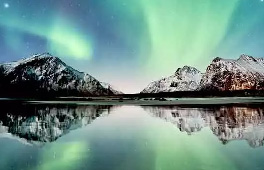

Seven lakes, each a different shade of blue and green, stacked one above the other in a narrow mountain valley. That is Haft Kul, and it is one of the easiest ways to see Tajikistan's mountains without a long expedition.
The short answer: The Seven Lakes of Tajikistan (Haft Kul, also called the Marguzor Lakes) lie in the Shing River valley of the western Fann Mountains, south of Penjikent in Sughd region. They climb about 760 m, from Mijgon at around 1,640 m to Hazorchashma at around 2,400 m. Most visitors drive up from Penjikent, 2–3 hours each way, often on a day trip from Samarkand. Go between May and October.
Seven Lakes Tajikistan at a glance
| Detail | What to know |
| Location | Shing River valley, Fann Mountains, Penjikent district, Sughd region |
| Nearest town | Penjikent (Panjakent), about 70–80 km to the upper lakes |
| From Samarkand | About 60 km to Penjikent via the Sarazm border crossing |
| From Dushanbe | About 236 km to Penjikent, 4–6 hours via the Anzob tunnel |
| Altitude range | About 1,640 m to 2,400 m |
| Time needed | A long day trip, or 2 days with a homestay night |
| Best months | May to October; June to September is most reliable |
| Permits | No special permit; a Tajik e-visa is enough |
What are the Seven Lakes (Haft Kul)?
Haft Kul means "seven lakes" in Tajik. Landslides dammed the Shing River at several points, creating a staircase of lakes stretching more than 14 km up the valley. Minerals and changing light give each lake its own colour, from jade green to deep turquoise.
The valley is part of the Fann Mountains, one of Tajikistan's best-known trekking regions. Our guide to the Fann Mountains covers the range's other highlights, including Iskanderkul and the Alauddin lakes.
The Seven Lakes, one by one
The lakes are numbered from the lowest, nearest the valley entrance, to the highest, at the end of the road.
| # | Lake | Elevation | What to look for |
| 1 | Mijgon (Nezhigon) | ~1,640 m | The first lake; turquoise to blue water at the valley entrance |
| 2 | Soya | ~1,700 m | Shaded lake under steep slopes |
| 3 | Gushor | ~1,770 m | Narrow, cliff-lined lake |
| 4 | Nofin | ~1,820 m | Greenish water beside Nofin village |
| 5 | Khurdak | ~1,870 m | The smallest lake, with shifting colours |
| 6 | Marguzor | ~2,140 m | The largest and best-known lake, near Marguzor village |
| 7 | Hazorchashma | ~2,400 m | "Thousand springs": spring-fed and reached on foot |
Marguzor, the sixth lake, is where most day trips turn around. If you have time, the walk to Hazorchashma is the most rewarding part of the valley.
How to get to the Seven Lakes
Penjikent is the gateway town for every route. From there, a rough dirt and gravel road runs south up the Shing valley, passing each lake in turn. Allow 2–3 hours each way, and use a local driver who knows the road.
From Samarkand (most popular for Indian travellers)
Penjikent is only about 60 km from Samarkand via the Jartepa–Sarazm border crossing. Many travellers combine Uzbekistan's Silk Road cities with a day or two in Tajikistan.
Fly into Tashkent and take the Afrosiyob high-speed train to Samarkand; our Afrosiyob booking guide for Indians explains fares and timings. From Samarkand, you have three options:
• Join a day tour: shared tours from Samarkand were listed from about US$65 (≈ ₹5,700) per person in 2026, including transport and border transfers. Expect a 10–12-hour day.
• Hire a private car and guide: costs more but lets you set the pace and stay overnight.
• Go independently: taxi to the Uzbek border, walk across, then take a taxi to Penjikent.
Visa tip: if you return to Uzbekistan the same day, your Uzbek visa must allow more than one entry. Check this before you book.
From Penjikent
Shared taxis leave from Penjikent's market. Travellers in 2026 reported paying about 60–80 somoni (≈ ₹500–700) per seat one way, or around 200 somoni (≈ ₹1,700) for a return seat. A private car for the day costs considerably more; agree on the price and stops before you set off.
From Dushanbe
Penjikent is about 236 km from Dushanbe, a 4–6 hour drive through the Anzob tunnel at around 2,700 m. Combine it with Iskanderkul on the way and stay overnight in Penjikent before heading to the lakes.
Visa for Indian travellers
Indian passport holders can apply for a Tajikistan e-visa on the official portal, evisa.tj, which allows stays of up to 60 days. Fees vary by season and entry type, so check the portal when you apply. No special permit is needed for the Fann Mountains; the GBAO permit applies only to the Pamirs.
Drive or trek: how to see the Seven Lakes
The drive
The road reaches Marguzor, the sixth lake, so you can see six lakes from the car with photo stops along the way. This is the best option for a day trip, families, and anyone short on time.
The Hazorchashma hike
From Marguzor village, a trail climbs to the seventh lake, Hazorchashma. The round trip is about 9.6 km with roughly 460 m of ascent, and takes 3–4 hours at an easy pace.
The full valley trek
Fit hikers can walk the whole valley from the first lake to the last, about 14–15 km one way. Most do it over two days, sleeping at a homestay in Nofin or Marguzor village.
When is the best time to visit the Seven Lakes?
The best time to visit the Seven Lakes is May to October, and June to September is the most reliable. Days are warm, the road is usually open, and homestays are running.
| Season | What to expect | Good for |
| Spring (Apr–May) | Fresh green slopes; early-season landslides can affect the road | Quieter visits |
| Summer (Jun–Aug) | Warm days, cool nights, busiest season | Hiking and homestays |
| Autumn (Sep–Oct) | Golden poplars, clear light, cooler evenings | Photography |
| Winter (Nov–Mar) | Snow and landslides can block the upper road; upper lakes may freeze | Not recommended |
Where to stay
Most travellers stay in Penjikent, which has guesthouses and small hotels. For an overnight in the valley, family homestays in Nofin and Marguzor villages offer simple rooms and home-cooked meals; book through a local agency or your driver.
Tips for Indian travellers
• Carry cash in Tajik somoni. Withdraw or exchange in Penjikent; you cannot count on cards or ATMs in the valley.
• Pack vegetarian food. Village meals are often meat-based, though homestays can usually prepare rice, eggs, bread, and vegetables.
• Bring layers. It is warm by the lower lakes and much cooler near Hazorchashma, even in summer.
• Wear proper walking shoes. Lakeshore paths are rocky, and the hike to the seventh lake is steep in places.
• Expect basic facilities. Toilets and cafés are limited to the villages.
• Download offline maps. Mobile signal is patchy in the Shing valley.
What else to see nearby
Penjikent has its own sights. The ruins of ancient Penjikent, a Sogdian Silk Road town, sit on the edge of the modern city. Near the border, Sarazm is one of Central Asia's oldest settlements and a UNESCO World Heritage Site.
Plan your Seven Lakes trip with Dook
The Seven Lakes are easy to add to an Uzbekistan trip, but the border crossing, visas, and mountain road make planning worthwhile. A private driver and guide turn it into a smooth day or an unhurried overnight.
Dook International's Tajikistan tour packages include combined Uzbekistan and Tajikistan itineraries, with e-visa guidance for Indian passport holders. Talk to our team to add Haft Kul to your 2027 dates.

 Admin




























 Hassle-free booking and best price guaranteed
 24/7 support available
 Hand-picked tours & activities
 Free travel insurance
 sales@dooktravels.com
 +918368513675
