


Why Russia Remains One of the World's Most Extraordinary Travel Destinations
Russia is the world's largest country by land area — a nation so vast it spans 11 time zones and two continents, contains the world's deepest lake, runs the world's longest railway, and houses one of humanity's greatest art collections in a single building on the banks of the Neva River. For Indian travelers, Russia is a destination that consistently delivers at a scale that is difficult to prepare for.
The cities of Russia are where this scale becomes most immediately and profoundly felt. Moscow is the most powerful city in Europe — a metropolis of extraordinary architectural ambition that contains the Kremlin, Red Square, the Bolshoi Theatre, and 200 museums within its boundaries. St. Petersburg is the cultural capital of Russia and one of Europe's most magnificent baroque cities. Kazan is a living example of Russian and Tatar cultural fusion. Murmansk is the world's largest city above the Arctic Circle. And Vladivostok, on the Pacific coast, is closer to Tokyo than to Moscow.
After 13 years of crafting Russia tour packages for Indian travelers, the Dook International team knows which cities reward time and which ones deserve a dedicated itinerary. Here are the 15 best cities to visit in Russia — researched, verified, and written with the Indian traveler's experience in mind.
How to Use This Guide
Each city entry includes the key attractions, what makes it unique, ideal duration, best time to visit, and the type of traveler it suits most. Cities are organised from the most visited to the most adventurous — so whether you are planning a focused 6-night Moscow and St. Petersburg tour or a 14-night Trans-Siberian circuit, this guide has the information you need.
Western Russia — The Cultural and Historical Heart
1. Moscow — Russia's Imperial Capital
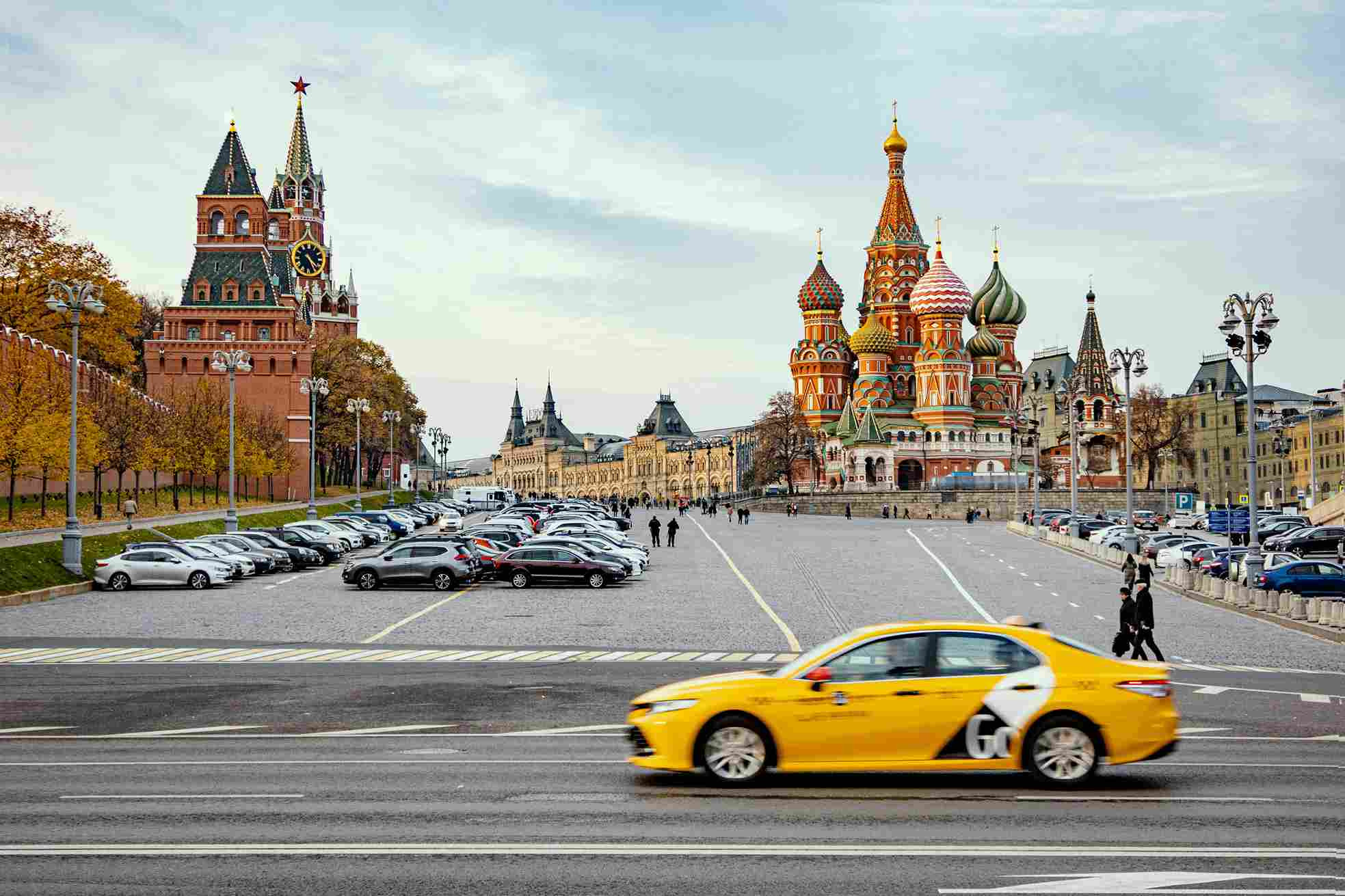
Why it is unmissable: Moscow is one of the great cities of the world — and one of the most dramatically ambitious. The Kremlin and Red Square form the most recognisable urban ensemble in Russia: the ancient Kremlin walls enclosing cathedrals, armories, and the seat of Russian presidential power; St. Basil's Cathedral with its nine candy-coloured onion domes rising above the cobblestones of Red Square; and the vast GUM department store facade completing the square's theatrical enclosure. These are not just tourist attractions — they are the physical expression of 800 years of Russian history, ambition, and cultural identity.
Beyond the Kremlin, Moscow rewards deeper exploration. The Tretyakov Gallery houses the world's finest collection of Russian art — over 180,000 works spanning 1,000 years of Russian painting, icon art, and sculpture. The Moscow Metro is the world's most beautiful underground railway — its stations at Komsomolskaya, Kievskaya, and Novoslobodskaya are decorated with mosaics, marble columns, and chandeliers that function as subterranean palaces of public art.
The Bolshoi Theatre — Russia's most celebrated performing arts venue, extensively restored in 2011 — continues to host world-class ballet and opera performances that represent the finest in the Russian performing arts tradition. Gorky Park, the Sparrow Hills viewpoint above Moscow State University, and the Arbat pedestrian street complete an itinerary of extraordinary depth and variety.
Key attractions: Kremlin and Red Square | St. Basil's Cathedral | Tretyakov Gallery | Bolshoi Theatre | Moscow Metro art stations | GUM department store | Gorky Park | Sparrow Hills viewpoint
Ideal duration: 3 Nights 4 Days minimum | 4 Nights 5 Days for a more complete exploration Best time: May to September | December to January for New Year celebrations and winter markets
Best for: All traveler types — Moscow is unmissable on any Russia itinerary
2. St. Petersburg — The Cultural Capital of Russia
Why it is unmissable: St. Petersburg is Russia's most elegant and most European city — founded in 1703 by Peter the Great on the marshes of the Neva River delta as Russia's "Window to Europe" and built with a grandeur of conception that still astonishes. The historic centre of St. Petersburg is a UNESCO World Heritage Site — a baroque and neoclassical masterwork of palaces, canals, bridges, and cathedrals that rivals Paris, Vienna, and Prague as one of Europe's finest urban landscapes.
The State Hermitage Museum — housed in the Winter Palace and five adjacent buildings on the Neva embankment — is one of the world's three greatest art museums, containing over 3 million items including Leonardo da Vinci paintings, Rembrandt masterworks, Scythian gold collections, and one of the world's finest collections of Impressionist and Post-Impressionist art. To see every item in the Hermitage at the rate of one minute per exhibit would require 11 years.
The Palace of Peterhof — Peter the Great's "Russian Versailles," 30 km west of the city on the Gulf of Finland — is one of the world's most spectacular royal garden complexes, with 64 fountains, 4 cascades, and 2 grand palaces set in gardens that descend to the sea. The Cathedral of the Spilled Blood (built on the site of Tsar Alexander II's assassination), the Peter and Paul Fortress (the original founding structure of the city), and the Mariinsky Theatre (one of the world's great opera and ballet venues) complete an itinerary of remarkable cultural richness.
The White Nights of June and July — when the sun barely sets for weeks and St. Petersburg's canals and bridges glow in a continuous golden dusk — are one of Russia's most extraordinary natural phenomena and one of the finest reasons to time a Russia trip for early summer.
Key attractions: State Hermitage Museum | Winter Palace | Palace of Peterhof | Cathedral of the Spilled Blood | Peter and Paul Fortress | Mariinsky Theatre | St. Isaac's Cathedral | Nevsky
Prospect Ideal duration: 3 Nights 4 Days minimum | 4 Nights 5 Days for Peterhof and day trips Best time: June to July for White Nights | May to September for best weather
Best for: Art and culture enthusiasts | Heritage travelers | All traveler types — St. Petersburg is essential
3. Veliky Novgorod — Russia's First Capital
Why it is unmissable: Veliky Novgorod is one of the oldest and most historically significant cities in Russia — the first capital of the Russian state in the 9th century, long before Moscow or St. Petersburg rose to prominence. Located on the banks of the Volkhov River, 180 km south of St. Petersburg, it is the most accessible and rewarding day trip or overnight excursion from Russia's cultural capital.
The Novgorod Kremlin (Detinets) — built in the 11th century and one of the oldest stone fortifications in Russia — contains the Cathedral of St. Sophia, founded in 1045, which is the oldest surviving stone building in Russia. The Monument to the Millennium of Russia in the Kremlin grounds — a massive bronze sculpture depicting 129 figures representing 1,000 years of Russian history — is one of the country's most historically resonant public artworks. The Yaroslav's Court, the ancient marketplace and commercial district across the Volkhov River from the Kremlin, contains over 70 medieval churches in various states of preservation.
Veliky Novgorod's collection of medieval frescoes — particularly those in the Church of the Transfiguration on Elijah Street, painted by the Byzantine master Theophanes the Greek (who later influenced Andrei Rublev in Moscow) — is recognised by art historians as one of the finest collections of medieval Orthodox fresco art surviving anywhere in the world.
Key attractions: Novgorod Kremlin (Detinets) | St. Sophia Cathedral | Monument to the Millennium of Russia | Yaroslav's Court | Church of the Transfiguration (Theophanes the Greek frescoes)
Ideal duration: 1 Night 2 Days (day trip from St. Petersburg or overnight) Best time: May to September
Best for: History and medieval art enthusiasts | Heritage travelers
4. Suzdal — The Golden Ring Jewel
Why it is unmissable: Suzdal is the most perfectly preserved medieval Russian city — a small town of 10,000 people that contains more churches, monasteries, and kremlin buildings per square kilometre than anywhere else in Russia. Part of the celebrated Golden Ring of ancient Russian cities northeast of Moscow, Suzdal has been called the "open-air museum of Russia" — a living record of 11th to 18th-century Russian Orthodox architecture that has remained largely unchanged since the Tsarist era.
The Suzdal Kremlin, the Spaso-Yevfimiev Monastery (one of the most powerful monasteries in medieval Russia), the Intercession Convent (where Russian tsars sent their unwanted wives into exile), and over 50 working churches create a concentration of architectural heritage that is genuinely overwhelming in its completeness. Suzdal is a UNESCO World Heritage Site and one of only two Russian cities (with Novgorod) where the entire historic centre receives this designation.
The town's craft traditions — particularly its mead (honey wine) production, its traditional pottery, and its embroidery workshops — and its excellent traditional Russian cuisine restaurants make Suzdal one of the most complete cultural tourism experiences in European Russia.
Key attractions: Suzdal Kremlin | Spaso-Yevfimiev Monastery | Intercession Convent | St. Nicholas Church | Museum of Wooden Architecture Ideal duration: 1 Night 2 Days (from Vladimir or Moscow)
Best time: May to October | February to March for snow-covered golden domes
Best for: Heritage and Orthodox culture enthusiasts | Photography travelers
5. Vladimir — Gateway to the Golden Ring
Why it is unmissable: Vladimir — 180 km northeast of Moscow — is the most accessible Golden Ring city and one of Russia's most architecturally significant medieval centres. Founded in the 10th century by Prince Vladimir Monomakh, it served as the capital of the Grand Duchy of Vladimir-Suzdal in the 12th and 13th centuries — the most powerful state in pre-Mongol Russia.
The Assumption Cathedral (Dormition Cathedral), built in 1158 by Prince Andrei Bogolyubsky, is one of the finest examples of white-stone Vladimiro-Suzdal architecture and a UNESCO World Heritage Site — its interior contains original frescoes by Andrei Rublev, Russia's greatest icon painter. The Cathedral of Saint Demetrius (1191), with its extraordinary carved stone facades depicting 566 relief sculptures of saints, animals, and mythological creatures, is one of the most detailed and extraordinary works of medieval sculptural art in Europe. The Golden Gate of Vladimir — the city's ancient fortified entrance, built in 1164 — completes the UNESCO ensemble.
Key attractions: Assumption Cathedral (Rublev frescoes) | Cathedral of Saint Demetrius | Golden Gate | The Chambers (historical museum)
Ideal duration: 1 Day (from Moscow) | 1 Night 2 Days combined with Suzdal Best time: May to September
Best for: Medieval history and art enthusiasts | Golden Ring circuit travelers
6. Nizhny Novgorod — Where the Volga and Oka Rivers Meet
Why it is unmissable: Nizhny Novgorod is Russia's fifth-largest city and one of its most dramatically situated — built on the bluffs above the confluence of the Volga and Oka Rivers, creating a riverfront panorama of extraordinary scale and beauty. The Nizhny Novgorod Kremlin occupies a hilltop above the river confluence and offers the finest views of Russia's great river landscape from any city fortification in the country.
The city hosted matches during the 2018 FIFA World Cup, which resulted in significant infrastructure investment and the development of a vibrant cultural and restaurant scene along the Pokrovka Street pedestrian zone. The Nizhny Novgorod State Art Museum houses one of the largest provincial art collections in Russia. The Nizhny Novgorod Cable Car — 3,661 metres long and crossing the Volga River to the town of Bor — is the world's longest urban cable car crossing a river and offers extraordinary views of the Volga floodplain.
Key attractions: Nizhny Novgorod Kremlin | Nizhny Novgorod Cable Car | Pokrovka Street | State Art Museum | Volga River excursions
Ideal duration: 1 Night 2 Days Best time: May to September | The Volga river cruise season (June to August)
Best for: Cultural travelers | Architecture enthusiasts | River cruise travelers
7. Kazan — Russia's Most Extraordinary Cultural Crossroads
Why it is unmissable: Kazan is arguably Russia's most culturally fascinating city — a place where Russian Orthodox Christian and Tatar Islamic civilisations have coexisted, overlapped, and influenced each other for over 500 years in a combination found nowhere else in the world. The Kazan Kremlin — a UNESCO World Heritage Site — contains both an Orthodox cathedral and the Kul Sharif Mosque (one of the largest mosques in Russia, rebuilt in 2005 on the site of the original 16th-century mosque destroyed by Ivan the Terrible) within the same fortified enclosure, making it a physical symbol of Russia's cultural plurality that is unlike any other kremlin in the country.
Kazan is the capital of the Republic of Tatarstan and has its own distinct language, cuisine, and cultural traditions. The Museum of Soviet Life, with its extraordinary collection of everyday Soviet consumer objects, is one of Russia's most engaging and unexpectedly moving museum experiences. Bauman Street — Kazan's pedestrian shopping boulevard — combines Soviet-era architecture with Tatar design motifs. The Suyumbike Tower, a 7-tiered brick tower of medieval Tatar origin that leans 1.98 metres from the vertical, is Kazan's most iconic landmark.
Key attractions: Kazan Kremlin (UNESCO) | Kul Sharif Mosque | Qolsharif Mosque | Suyumbike Tower | Museum of Soviet Life | Bauman Street Ideal duration: 1 Night 2 Days | 2 Nights 3 Days for a complete Kazan experience
Best time: May to September | Sabantuy festival (June–July) for Tatar cultural celebrations
Best for: Cultural and history enthusiasts | All traveler types seeking Russia beyond Moscow and St. Petersburg
Russia's Resort Cities
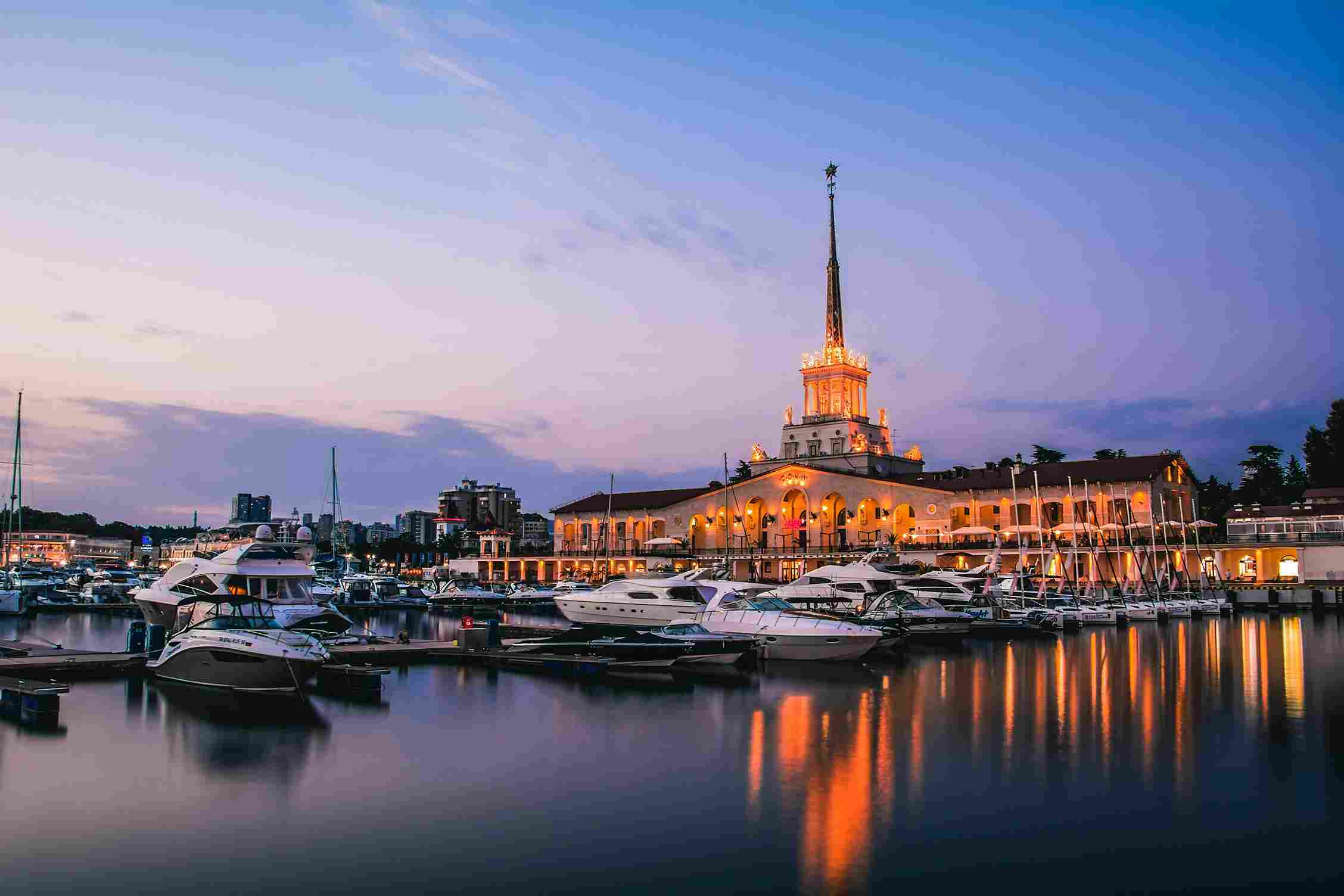
8. Sochi — Russia's Black Sea Riviera
Why it is unmissable: Sochi is Russia's most famous resort city — a subtropical coastal city on the Black Sea in the Krasnodar Krai region, where the Caucasus mountains descend almost directly to the sea and the climate is warm enough for palm trees, citrus groves, and beach swimming from May to October. Internationally known as the host city of the 2014 Winter Olympics — which brought an extraordinary investment in infrastructure, sports venues, and transport connectivity — Sochi has developed into a year-round destination of genuine quality and variety.
The Sochi Olympic Park — 40 km from the city centre in Adler — houses the Fisht Stadium (now used for football), the Bolshoi Ice Dome, and the other Olympic venues in a remarkable collection of contemporary architecture that is unique in Russia. The Rosa Khutor Alpine Resort, developed for the 2014 Winter Olympics in the Caucasus Mountains 60 km from Sochi, operates as a world-class ski resort in winter and a mountain hiking and adventure destination in summer. The Riviera Park, Sochi Arboretum, and the Black Sea beachfront promenade create an excellent city leisure circuit.
Key attractions: Sochi Olympic Park | Rosa Khutor Alpine Resort | Sochi Arboretum | Riviera Park | Black Sea beachfront promenade | Agura Waterfalls
Ideal duration: 3 Nights 4 Days Best time: June to September for beach season | December to March for skiing at Rosa Khutor
Best for: Beach holiday travelers | Winter sports enthusiasts | Families | Couples
9. Krasnodar — The Little Paris of Southern Russia
Why it is unmissable: Krasnodar is the most prosperous and energetic city in southern Russia — a city of Tsarist-era architecture, wide tree-lined boulevards, excellent restaurants and craft beer bars, and a civic energy that is distinctly different from the more formal atmosphere of Moscow and St. Petersburg. Nicknamed "Little Paris" for its boulevard culture and architectural ambition, Krasnodar is the commercial and cultural capital of the Krasnodar Krai region — the most agriculturally rich and climatically mild part of Russia.
The Red Street (Krasnaya Street) pedestrian boulevard is the heart of Krasnodar's social life — lined with Tsarist-era buildings, modern coffee shops, restaurants, and boutiques, it is one of the finest urban promenades in southern Russia. The Krasnodar Safari Park, opened in 2016, is one of Russia's largest and most modern zoological parks. The Krasnodar City Botanical Garden is one of the finest collections of subtropical plants in Russia. The statue of Catherine the Great — who founded Krasnodar in 1793 as Yekaterinodar — stands at the civic heart of the city.
Key attractions: Krasnaya Street (Red Street) | Krasnodar Safari Park | City Botanical Garden | Statue of Catherine the Great | Krasnodar Kuban Cossack Museum
Ideal duration: 1 Night 2 Days Best time: April to October Best for: Southern Russia circuit travelers | Food and café culture enthusiasts | Families
10. Rostov-on-Don — The Gateway to the Caucasus
Why it is unmissable: Rostov-on-Don is one of Russia's largest and most historically rich southern cities — the commercial capital of the Don River region and the gateway to the North Caucasus. The city's position at the junction of European Russia and the Caucasus has given it a cultural and culinary character that is distinctly its own — warmer, more open, and more cosmopolitan than the cities of central Russia.
The Rostov Kremlin — 2 hours north of Rostov-on-Don in the ancient town of Rostov Veliky — is one of Russia's finest and most photogenic kremlin complexes, with its towers and cathedrals reflected in the waters of Lake Nero creating one of Russia's most classically beautiful heritage landscapes. The Yaroslav-Rostov Museum within the kremlin houses an extraordinary collection of medieval religious art, enamel work, and historical artefacts from the Golden Ring region.
Key attractions: Rostov-on-Don central embankment | Gorky Park | Museum of the History of Don Cossacks | Paramono Warehouses (historic riverside ruins)
Ideal duration: 1 Night 2 Days Best time: April to October
Best for: History enthusiasts | Southern Russia circuit travelers
Siberia and the Russian Far East
11. Irkutsk — The Paris of Siberia and Gateway to Lake Baikal
Why it is unmissable: Irkutsk is the undisputed gateway to Lake Baikal — the world's deepest lake, the world's largest freshwater lake by volume, and one of the world's most extraordinary natural heritage sites — and a destination of considerable cultural interest in its own right.
Founded in 1661 as a Cossack fort on the Angara River, Irkutsk developed into Siberia's most sophisticated and culturally refined city during the 19th century, earning its nickname "the Paris of Siberia" for its neoclassical architecture, literary culture, and the influence of the Decembrist exiles who were sent here after the failed 1825 uprising against the Tsar.
The Decembrist Museum — housed in the original home of Prince Sergei Trubetskoy — is one of Russia's most moving and historically rich museums, telling the story of the aristocratic revolutionaries who were exiled to Siberia and who unexpectedly transformed Irkutsk's cultural life. The Irkutsk Museum of Local History, the Epiphany Cathedral, and the extraordinary collection of 19th-century wooden houses with intricately carved window frames and facades (a style found only in Irkutsk and known as Siberian Baroque) create a city heritage experience of genuine depth.
Lake Baikal is accessible from Irkutsk in 1 hour — the lakeside village of Listvyanka is the standard first stop, while Olkhon Island (the largest island on Lake Baikal, sacred to the Buryat people, and accessible by ferry) is one of Siberia's most extraordinary destinations. In winter (January to March), Lake Baikal freezes to a depth of 1–2 metres, creating one of the world's most extraordinary natural spectacles — a vast expanse of transparent ice with trapped bubbles, pressure ridges, and the ability to walk, drive, and cycle across the surface of the world's deepest lake.
Key attractions: Lake Baikal | Olkhon Island | Listvyanka | Decembrist Museum | Siberian wooden architecture | Irkutsk City Museum | Angara River embankment
Ideal duration: 3 Nights 4 Days (city + Lake Baikal day trip) | 4 Nights 5 Days for Olkhon Island Best time: July to August for summer lake activities | January to March for the frozen lake spectacle
Best for: Nature enthusiasts | History travelers | Adventure seekers | Trans-Siberian Railway travelers
12. Novosibirsk — The Capital of Siberia
Why it is unmissable: Novosibirsk is Russia's third-largest city and the administrative, cultural, and commercial capital of Siberia — a sprawling, energetic city on the banks of the Ob River that was founded in 1893 as a construction camp for the Trans-Siberian Railway and has grown into one of Russia's most scientifically significant cities. Akademgorodok — the "Science City" built in the forest south of Novosibirsk in the 1950s — is one of the world's most concentrated research campuses, housing over 35 scientific institutes of the Russian Academy of Sciences.
The Novosibirsk State Academic Opera and Ballet Theatre — built between 1931 and 1945 and the largest opera house in Russia (larger even than the Bolshoi in Moscow) — is Novosibirsk's architectural and cultural centrepiece, offering world-class performances at remarkably affordable prices. The Novosibirsk State Museum of Local Lore, the Novosibirsk Zoo (one of Russia's finest, with a snow leopard breeding programme), and the extraordinary views from the Ob Sea (an artificial reservoir created by the Novosibirsk Hydroelectric Dam) complete a city itinerary of genuine substance.
Key attractions: Novosibirsk Opera and Ballet Theatre | Novosibirsk Zoo | Akademgorodok Science City | Glory Monument | Alexander Nevsky Cathedral | West Siberian Railway History Museum
Ideal duration: 1 Night 2 Days (usually as part of a Trans-Siberian Railway itinerary)
Best time: June to September Best for: Trans-Siberian Railway travelers | Science and culture enthusiasts
13. Yekaterinburg — The Ural Mountains Capital
Why it is unmissable: Yekaterinburg is the fourth-largest city in Russia and the cultural and industrial capital of the Ural Mountains region — the natural boundary between European and Asian Russia. It holds a profound and tragic place in Russian history as the city where Tsar Nicholas II and his family were executed in 1918 — an event that ended the 300-year Romanov dynasty and irrevocably changed the course of Russian history. The Church on the Blood, built in 2003 on the exact site of the Ipatiev House where the execution took place, is one of Russia's most visited and most emotionally significant religious sites.
Yekaterinburg's position on the Europe-Asia boundary is marked by an obelisk on the city's outskirts — a geographic novelty that allows visitors to literally step between two continents. The Yekaterinburg State Academic Opera and Ballet Theatre, the Nevyansk Icon Museum (housing one of Russia's finest private collections of Ural icon painting), and the extraordinary collection of Ural mineral stones at the Ural Mineralogical Museum are additional highlights.
Key attractions: Church on the Blood | Ipatiev House Site | Europe-Asia Boundary Monument | Yekaterinburg Opera and Ballet Theatre | Nevyansk Icon Museum | Ural Mineralogical Museum | Keyboard Monument
Ideal duration: 1 Night 2 Days Best time: May to September
Best for: History travelers | Trans-Siberian Railway travelers | All traveler types interested in the Romanov story
14. Vladivostok — Russia's Pacific Gateway
Why it is unmissable: Vladivostok is one of the world's most dramatically positioned cities — a port city on a peninsula between the Sea of Japan and Amur Bay, 9,000 km from Moscow and closer to Tokyo, Seoul, and Beijing than to Russia's European cities. The city's geography — hills, bays, bridges, and islands — gives it a visual drama that rivals San Francisco or Hong Kong, and its status as Russia's principal Pacific port and naval headquarters gives it an energy and internationalism completely different from the rest of Russia.
The Russky Island Bridge — one of the world's longest cable-stayed bridges, built in 2012 for the APEC summit — connects the city to Russky Island, where the Far Eastern Federal University campus and some of Vladivostok's finest beaches are located. The Zarya Contemporary Art Centre is one of Russia's most innovative and internationally connected contemporary art institutions. The Eagle's Nest Hill viewpoint provides the finest panoramic view of the city's extraordinary harbour geography. The Vladivostok Fortress — a vast network of 19th and early 20th-century military fortifications covering the entire peninsula — is one of the most extensive and best-preserved military heritage sites in Russia.
Key attractions: Russky Island Bridge | Eagle's Nest Hill viewpoint | Vladivostok Fortress | Zarya Contemporary Art Centre | Funicular | Submarine S-56 Museum | Primorsky Aquarium (one of Russia's largest)
Ideal duration: 2 Nights 3 Days Best time: June to October Best for: Adventure travelers | Architecture enthusiasts | Trans-Siberian Railway final destination | Pacific Asia-Russia circuit travelers
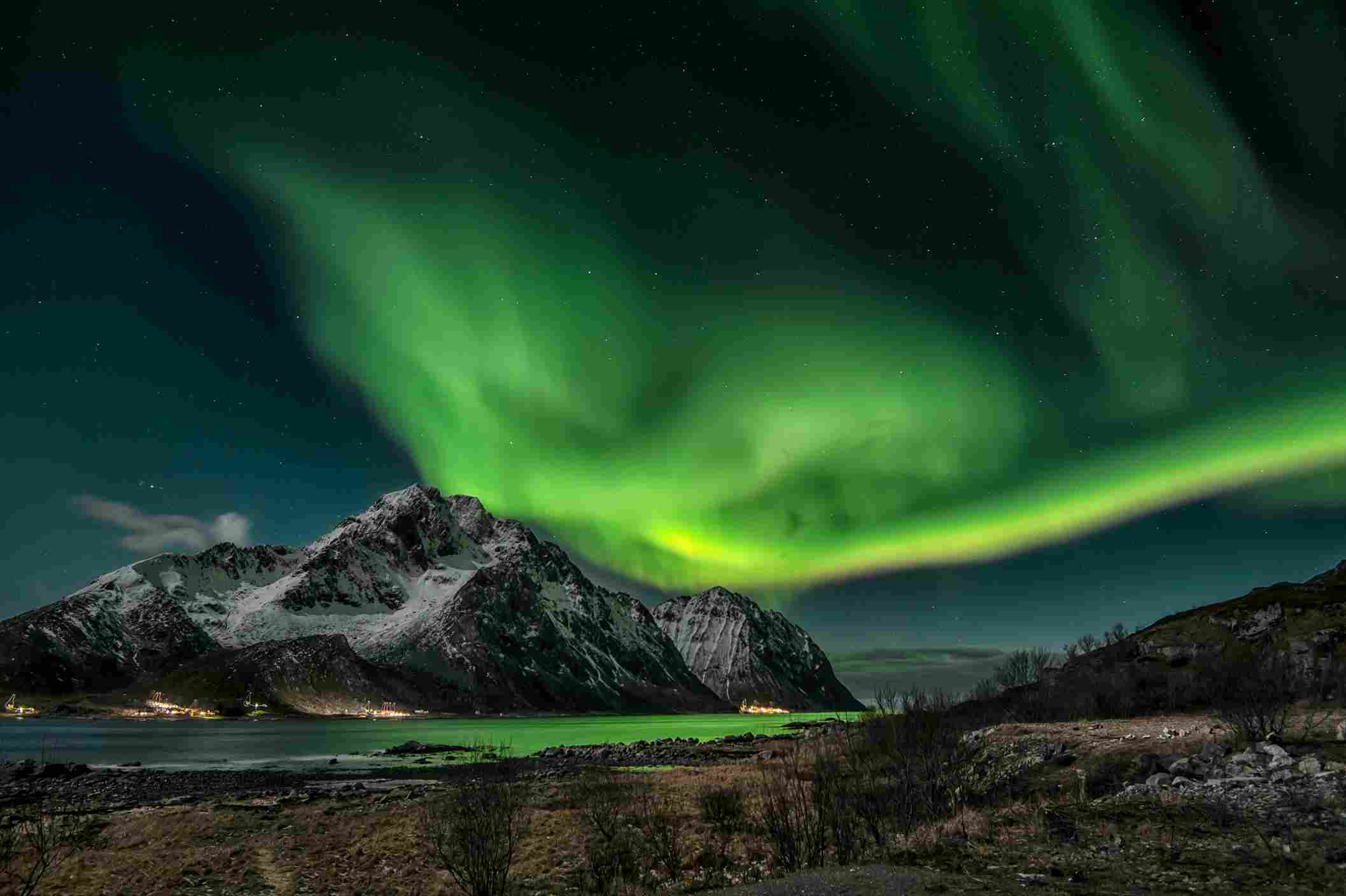
15. Murmansk — The Arctic City of Northern Lights
Why it is unmissable: Murmansk is the world's largest city above the Arctic Circle — an extraordinary polar city on the Kola Peninsula, 160 km north of the Arctic Circle and 2,000 km north of Moscow, that offers Indian travelers one of the rarest and most sought-after natural spectacles on earth: the Aurora Borealis (Northern Lights). Murmansk is one of the three best Northern Lights viewing destinations in the world (alongside Tromsø in Norway and Rovaniemi in Finland) and the most accessible for Indian travelers in terms of visa, connectivity, and cost.
The Northern Lights season in Murmansk runs from September to March — the period of polar night during which the sun does not rise above the horizon (from late November to mid-January in the depths of winter). The combination of minimal light pollution, proximity to the magnetic pole, and the active solar cycle in 2025–2026 makes Murmansk's aurora season one of exceptional strength and frequency in 2026.
Beyond the Northern Lights, Murmansk offers the Lenin Nuclear Icebreaker Museum — the world's first nuclear-powered surface vessel, now preserved as a museum in Murmansk harbour and one of the most extraordinary industrial heritage experiences in Russia. The Alyosha Monument — a 35-metre Soviet-era statue of a WWII soldier on a hill above the city — offers the finest views of Murmansk's harbour, the Kola Bay, and the surrounding tundra landscape. Husky sled experiences, reindeer farms, and snowmobile excursions into the Kola Peninsula wilderness complete a winter itinerary of exceptional adventure quality.
Key attractions: Northern Lights (Aurora Borealis) viewing | Lenin Nuclear Icebreaker Museum | Alyosha Monument | Murmansk Regional Museum | Husky safaris | Reindeer farms | Snowmobile excursions | Lake Semyonovskoye
Ideal duration: 3 Nights 4 Days (standalone Northern Lights trip) | Part of Moscow + St. Petersburg + Murmansk combined tour Best time: September to March for Northern Lights | December to January for polar night experience
Best for: Northern Lights seekers | Winter adventure travelers | Indian travelers seeking once-in-a-lifetime Arctic experiences
Russia by Travel Interest — Which Cities to Choose
| Travel Interest | Best Cities |
| History & Heritage | Moscow, St. Petersburg, Veliky Novgorod, Suzdal, Vladimir, Kazan |
| Art & Culture | Moscow, St. Petersburg, Kazan, Yekaterinburg, Vladivostok |
| Nature & Wildlife | Irkutsk (Lake Baikal), Murmansk (Arctic), Sochi (Caucasus) |
| Winter & Northern Lights | Murmansk, Sochi (skiing), Irkutsk (frozen Baikal) |
| Beach & Summer Holiday | Sochi, Krasnodar |
| Trans-Siberian Railway | Moscow → Kazan → Yekaterinburg → Novosibirsk → Irkutsk → Vladivostok |
| UNESCO World Heritage | St. Petersburg, Veliky Novgorod, Suzdal, Vladimir, Kazan |
| First-Time Russia Visit | Moscow + St. Petersburg (6–8 nights covers the essential highlights) |
Plan Your Russia Tour with Dook International
Russia is a destination that rewards the traveler who plans well — knowing which cities to combine, how to sequence the Trans-Siberian Railway, when to time a Murmansk Northern Lights visit, and how to balance Moscow and St. Petersburg's extraordinary depth with the additional cities that make a Russia tour genuinely complete.
With 13 years of crafting Russia tour packages for Indian travelers and over one million happy clients, Dook International's Russia specialists design itineraries that genuinely work — from focused 6-night Moscow and St. Petersburg tours to extended 14-night Trans-Siberian circuits.
Our most popular Russia tour packages:
Moscow and St. Petersburg — 4 Nights 5 Days
Moscow and St. Petersburg — 5 Nights 6 Days
Moscow and St. Petersburg — 6 Nights 7 Days
Moscow, St. Petersburg and Murmansk Northern Lights — 7 Nights 8 Days
Call us at 011-40001000 | Email: sales@dooktravels.com
Best Time to Visit Russia from India
| Season | Months | Best Cities | Why Visit |
| Spring | May–June | Moscow, St. Petersburg, Golden Ring | Pleasant weather, White Nights approaching |
| Summer | June–August | All cities | Best weather, longest days, White Nights in St. Petersburg |
| Autumn | September–October | All cities, Murmansk (Northern Lights start) | Foliage, fewer crowds, Aurora season begins |
| Winter | November–March | Murmansk, Moscow (New Year), Irkutsk (frozen Baikal) | Northern Lights, winter landscapes, New Year celebrations |
Russia Travel Essentials for Indian Travelers
Visa: Russia Tourist Visa required for Indian passport holders | Invitation letter from certified Russian tour operator required | Dook International provides full visa assistance for all Russia tour clients
Currency: Russian Ruble (RUB) | Cash preferred for smaller purchases and outside major cities
Language: Russian | English spoken in tourist areas of Moscow and St. Petersburg
Flights: Approximately 5–7 hours from Delhi or Mumbai | Multiple carrier options
Getting around: Domestic flights (for Siberia and Far East) | Trans-Siberian Railway | Sapsan high-speed train (Moscow to St. Petersburg in 3.5 hours)
 Admin
Admin 
















 Hassle-free booking and best price guaranteed
 24/7 support available
 Hand-picked tours & activities
 Free travel insurance
 sales@dooktravels.com
 +918368513675