


Russia is more than a country — it is a continent unto itself. Stretching across 11 time zones and two continents, Europe and Asia, the Russian Federation is the largest nation on Earth by land area, sharing borders with 14 countries and holding 12 seas within its vast reach.
Whether you are planning a trip, a student researching Russian geography, or simply curious about the world, these 10 Russia facts — updated with the latest 2026 data — will give you a richer, more accurate understanding of this remarkable nation.
Fact 1: Russia Is the Largest Country on Earth
Russia covers approximately 17.1 million square kilometres, accounting for roughly 11% of the Earth's total land surface. To put that in perspective, its territory is larger than the entire continent of Antarctica and nearly twice the size of the second-largest country, Canada.
Russia spans both Eastern Europe and all of northern Asia, making it a transcontinental nation whose sheer scale defines almost every other fact about it — from its climate diversity to its extraordinary number of time zones. Notably, even the dwarf planet Pluto, with a surface area of approximately 16.6 million km², is smaller than Russia.
Key Stats: 17,125,426 km² total area | Spans 2 continents | ~11% of Earth's land mass
Source: UN Statistics Division, Countrymeters 2026
Fact 2: Russia Spans 11 Time Zones
Russia is home to 11 official time zones, ranging from UTC+2 in the westernmost exclave of Kaliningrad all the way to UTC+12 on the Kamchatka Peninsula on the Pacific coast. No other country in the world comes close to this figure.
In practical terms, this means that when residents of St. Petersburg sit down for breakfast, people on the Chukotka Peninsula are already thinking about tomorrow. Crossing the entire country by the iconic Trans-Siberian Railway takes approximately two weeks; a direct flight coast-to-coast takes around 10 hours.
Key Stats: 11 time zones | UTC+2 to UTC+12 | ~2 weeks to cross by rail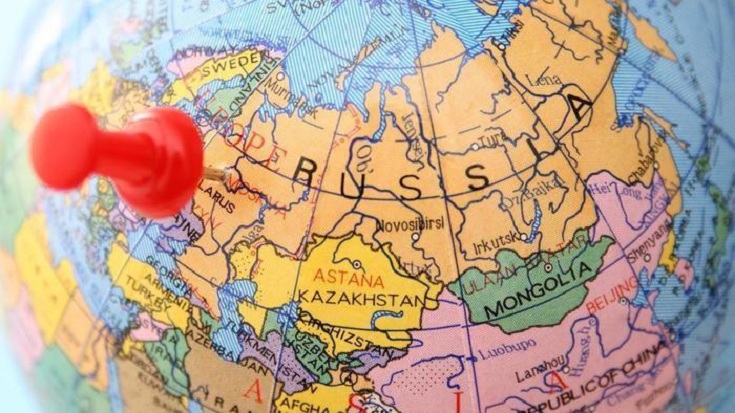
Fact 3: The Sapsan — Russia's High-Speed Rail Icon
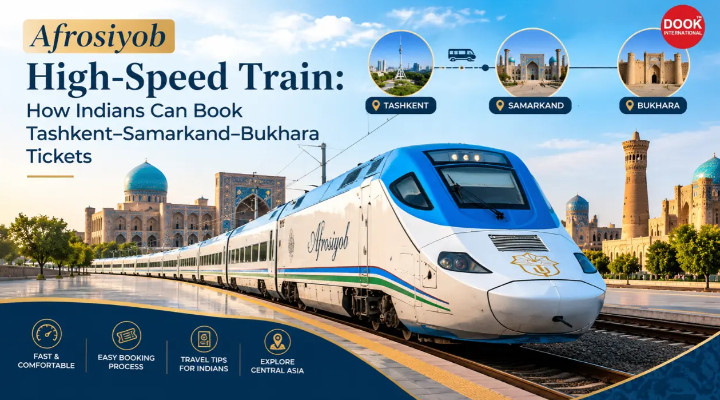
The Sapsan, whose name translates to "Peregrine Falcon" in Russian, is the country's flagship high-speed train, connecting Moscow and St. Petersburg — a distance of approximately 650 km — at speeds of up to 250 km/h in regular service, with a designed top speed of 330 km/h. The journey takes as little as 3 hours 30 minutes.
Operated by Russian Railways (RZhD), the Sapsan is considered the most convenient and popular way to travel between Russia's two greatest cities, running multiple daily services. Its name is fitting — the peregrine falcon is the fastest animal on the planet, capable of exceeding 380 km/h in a dive, making it a perfect symbol for Russia's modern rail ambition.
Key Stats: Up to 250 km/h in service | Moscow to St. Petersburg | ~3.5 hours journey time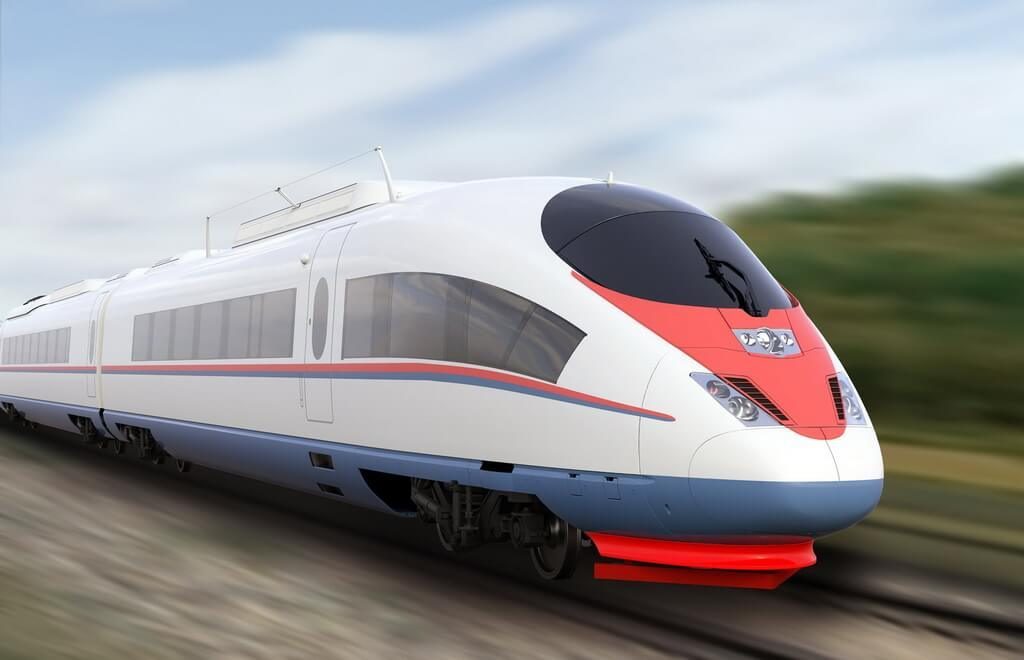
Fact 4: Russia's Population in 2026
Russia's population in 2026 is estimated at approximately 143 to 146 million people, ranking it 9th in the world. Around 75% of the population is urban, and population distribution is highly uneven — roughly 80% of Russians live in the western part of the country, west of the Ural Mountains.
Moscow, the capital, is by far the largest city with over 12.5 million inhabitants, making it one of the most populous cities in Europe. St. Petersburg, Russia's cultural capital, is the second-largest city. The median age in Russia is around 40.7 years, reflecting an ageing demographic trend that is forecast to continue through 2030.
Key Stats: ~143M population (2026) | 75% urban | Moscow: 12.5M+ residents
Source: UN World Population Prospects 2024 Revision; Statista, IMF estimates
Fact 5: Russia's Natural Wonders — From the Urals to Lake Baikal
Russia is a land of extraordinary natural diversity. The Ural Mountains, often considered among the world's oldest mountain ranges, were formed approximately 250–300 million years ago and form the natural geographical boundary between Europe and Asia. The Russian Urals stretch for over 2,000 km from north to south.
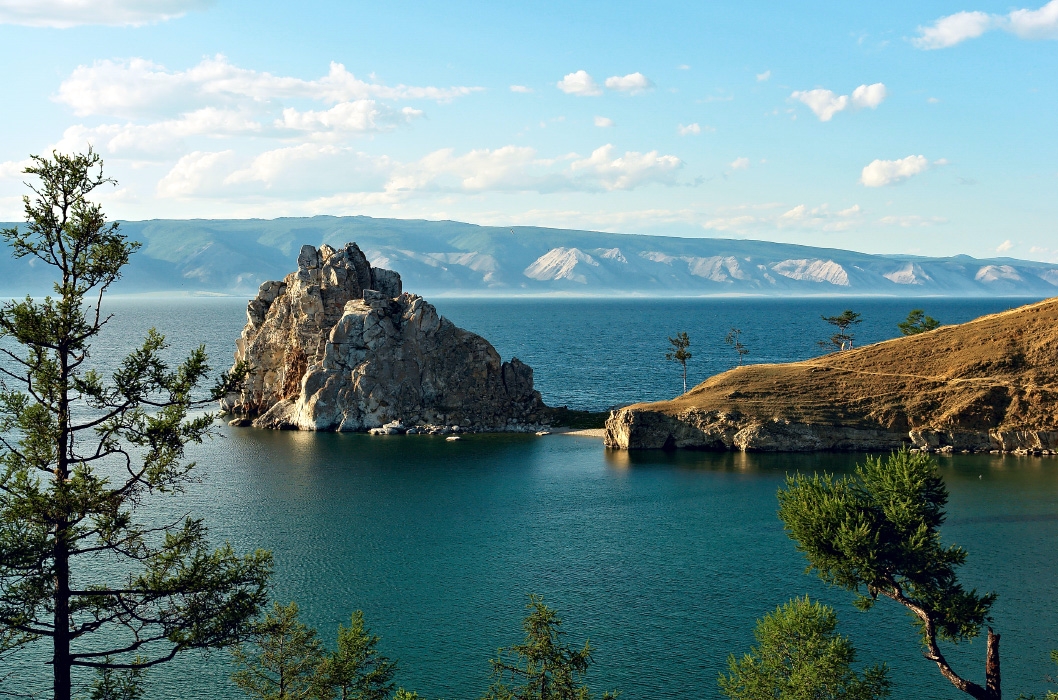
Lake Baikal, located in southeastern Siberia, is the world's deepest lake, reaching depths of approximately 1,700 metres, and its oldest freshwater lake, estimated to be 25–30 million years old. It holds roughly 20% of the world's unfrozen surface freshwater and is a UNESCO World Heritage Site. The lake is home to more than 1,700 endemic species, including the Baikal seal — the world's only exclusively freshwater seal.
Key Stats: Lake Baikal: 1,700m deep | 20% of the world's surface freshwater | Urals: 2,000+ km long
Source: UNESCO World Heritage Centre
Fact 6: Russia Has 33 UNESCO World Heritage Sites
As of 2025–2026, Russia is home to 33 UNESCO World Heritage Sites — 21 cultural and 11 natural — with a further 32 properties on Russia's tentative nomination list. The most recently inscribed site was the Rock Paintings of Shulgan-Tash Cave in Bashkortostan, added in 2025.
Among its most celebrated natural sites are the Volcanoes of Kamchatka, the Central Sikhote-Alin mountain range (home to the endangered Amur tiger), the Komi Virgin Forests — Europe's largest untouched boreal wilderness covering 3.2 million hectares — the Golden Mountains of Altai, and Lake Baikal. Russia also maintains more than 40 protected natural areas with biosphere reserve status under UNESCO.
Key Stats: 33 UNESCO World Heritage Sites | 21 cultural + 11 natural | 32 on tentative list
Source: UNESCO World Heritage Convention; Wikipedia (updated January 2026)
Fact 7: The Hermitage — One of the World's Greatest Museums
Founded in 1764 by Empress Catherine the Great, the State Hermitage Museum in St. Petersburg is the second-largest art museum in the world and Russia's most visited cultural institution. Its collections have grown over two and a half centuries to encompass more than 3 million items, spanning cultures and civilisations from the Stone Age to the 20th century.
The collection includes 17,000 paintings, over 600,000 graphic works, more than 12,000 sculptures, 700,000 archaeological findings, and over 1,000,000 numismatic pieces. Housed across seven historic buildings — including the iconic Winter Palace on Palace Square — the museum is so vast that viewing every exhibit for just one minute would take over 11 years. Masterpieces by Leonardo da Vinci, Rembrandt, Raphael, Matisse, and Picasso are among its internationally celebrated highlights.
Key Stats: 3M+ collection items | Founded 1764 | Spread across 7 historic buildings
Source: Google Arts & Culture; State Hermitage Museum official records
Fact 8: The Trans-Siberian Railway — the World's Longest Train Journey
The Trans-Siberian Railway is the longest railway line in the world, stretching 9,289 kilometres from Moscow to Vladivostok on the Pacific coast. Completed in stages between 1891 and 1916, it remains one of the great engineering achievements in history and continues to offer one of the world's most transformative travel experiences.
The full journey passes through 8 time zones, more than 85 cities and towns, and crosses the vast Siberian taiga, the Ural Mountains, and the southern shore of Lake Baikal. Extensions to Beijing via the Trans-Mongolian route and to Pyongyang via the Trans-Manchurian route make the network even more remarkable. Travellers typically spend around 6 to 7 days on the full Moscow–Vladivostok run, making it a true once-in-a-lifetime experience.
Key Stats: 9,289 km long | Crosses 8 time zones | ~6–7 days for the full route
Fact 9: White Nights — the Magic of Russian Summers
Russia's extraordinary latitude means that summer in its northern cities brings a spectacular natural phenomenon known as the White Nights (Belye Nochi). In St. Petersburg — situated at approximately 60° North — the sun barely sets between late May and mid-July, casting a permanent golden twilight across the city's famous canals, grand bridges, and Baroque palaces.
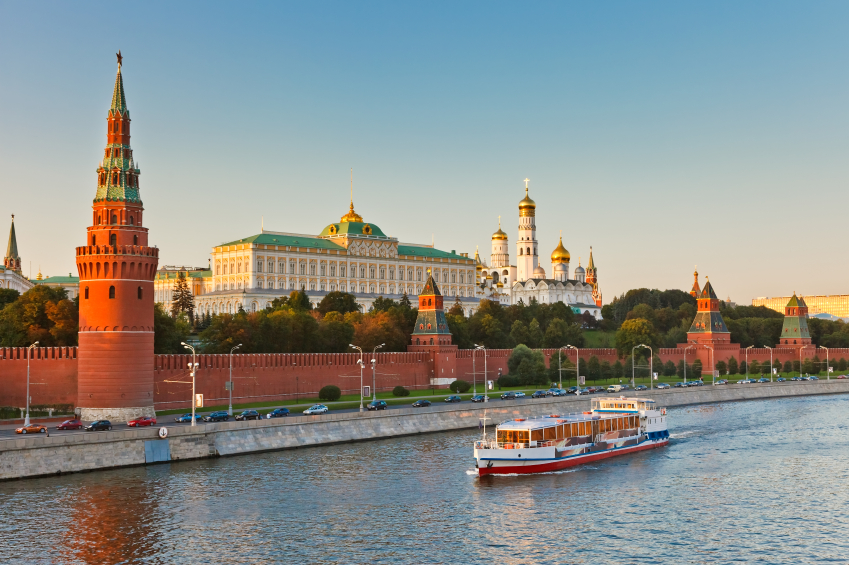
This makes June to August the most popular season to visit Russia, especially St. Petersburg, which hosts the world-renowned White Nights Festival — a series of open-air concerts, classical ballet performances at the Mariinsky Theatre, and cultural events that draw visitors from around the globe every year. Moscow's riverside parks, the Volga river cruise routes, and Russia's golden meadows are equally spectacular during the summer months.
Key Stats: White Nights: late May to mid-July | St. Petersburg at 60°N | Best travel window: June–August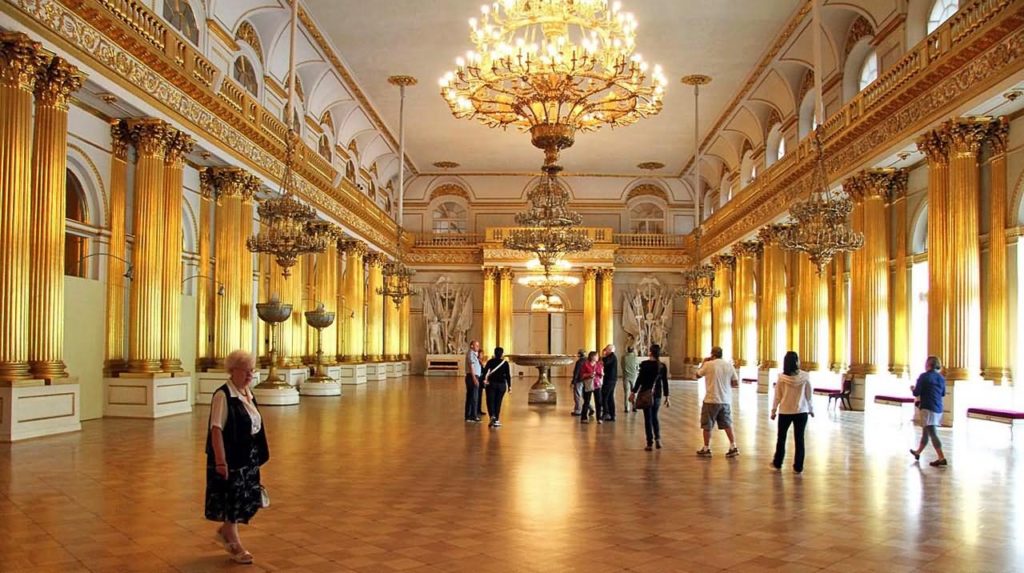
Fact 10: Russia Borders 12 Seas Across Two Oceans
Russia's coastline touches the waters of 12 seas belonging to three major oceans: the Atlantic (Baltic Sea, Black Sea, and the landlocked Caspian Sea), the Arctic Ocean (Barents Sea, White Sea, Kara Sea, Laptev Sea, and East Siberian Sea), and the Pacific Ocean (Bering Sea, Sea of Okhotsk, Sea of Japan, and Chukchi Sea).
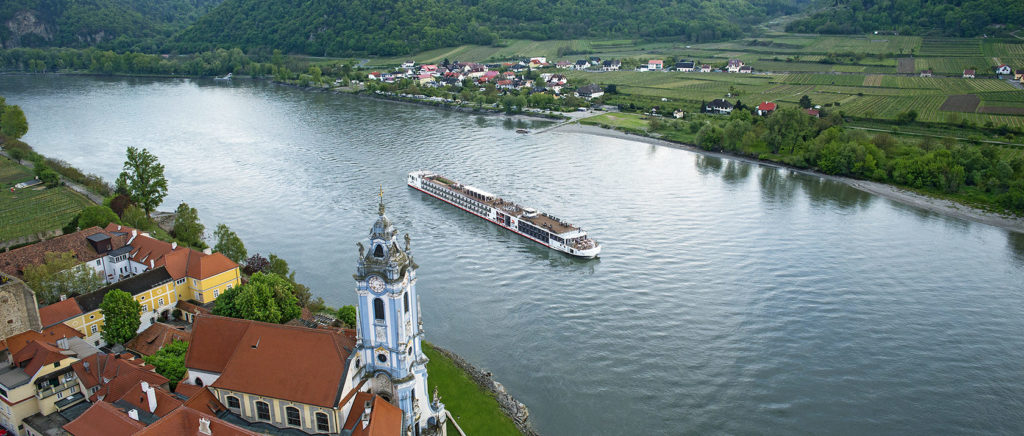
This vast maritime reach gives Russia immense natural resources, unparalleled biodiversity, and significant geopolitical importance. With a total coastline of approximately 37,653 kilometres, Russia's waterways are also a major draw for travellers. River voyages along the Volga — Europe's longest river at 3,531 km — and the great Siberian rivers Lena and Yenisei are among the world's most scenic inland journeys and among Russia's strongest tourism attractions.
Key Stats: 12 seas | 3 oceans | ~37,653 km coastline | Volga: 3,531 km (Europe's longest river)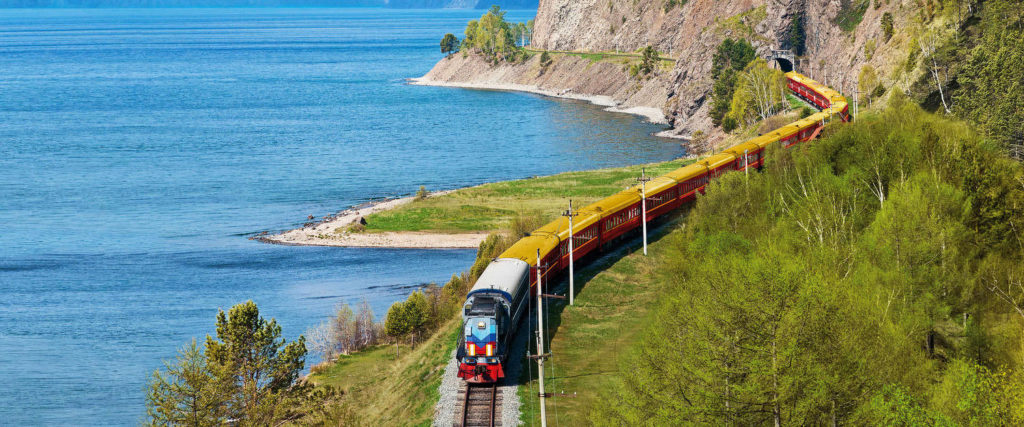
Conclusion
Russia is a country of superlatives. It is the world's largest nation, home to its deepest lake, its longest railway, one of its greatest art museums, and some of its most spectacular natural wilderness. Updated with 2026 data, these Russia facts only begin to scratch the surface of what makes this vast, culturally rich nation so endlessly fascinating.
Whether your interest lies in its ancient Orthodox heritage, its engineering achievements, its raw Siberian wilderness, or the golden grandeur of St. Petersburg, Russia rewards every traveller with experiences that are simply impossible to find anywhere else on Earth.
Explore Russia Tour Packages with Dook International
Ready to see Russia for yourself? Dook International offers expertly crafted Russia holiday packages for every travel style:
Contact our Russia travel specialists to plan your perfect itinerary.
All statistics in this article are sourced from authoritative references, including the United Nations Department of Economic and Social Affairs (World Population Prospects 2024 Revision), UNESCO World Heritage Convention, Statista, Worldometers, IMF, and official museum records. Data reflects figures available as of April 2026.
 Admin
Admin 









 Hassle-free booking and best price guaranteed
 24/7 support available
 Hand-picked tours & activities
 Free travel insurance
 sales@dooktravels.com
 +918368513675