


Introduction: The "High Value" Destination of 2026
As we step into 2026, the Kingdom of Bhutan remains one of the world's most exclusive and pristine travel destinations. While the rest of the world rushes toward mass tourism, Bhutan continues to steadfastly guard its culture and environment through its unique "High Value, Low Volume" tourism policy.
For travelers planning a trip this year, the landscape has evolved. 2026 marks the implementation of the new 5% Goods and Services Tax (GST) on tourism services, a continued commitment to the Sustainable Development Fee (SDF), and the ambitious development of the Gelephu Mindfulness City in the south. Whether you are an Indian national seeking a driving holiday or an international traveler looking for spiritual grounding, navigating these regulations requires up-to-date knowledge.
This extensive guide covers every logistical aspect of your journey—from entry permits and border crossings to understanding what a Bhutan Tour Package actually covers in this new tax regime.
1. Best Time to Visit Bhutan: A Seasonal Deep Dive
Bhutan is not a destination you can judge solely by temperature. The "best time" depends entirely on what you want to experience—be it festivals (Tshechus), clear mountain views, or rare wildlife.
Spring (March to May): The Season of Color
Spring is widely considered the prime time to book a Bhutan Tour Package. The valleys, particularly around Punakha and Wangdue Phodrang, come alive with blooming Jacarandas and Rhododendrons.
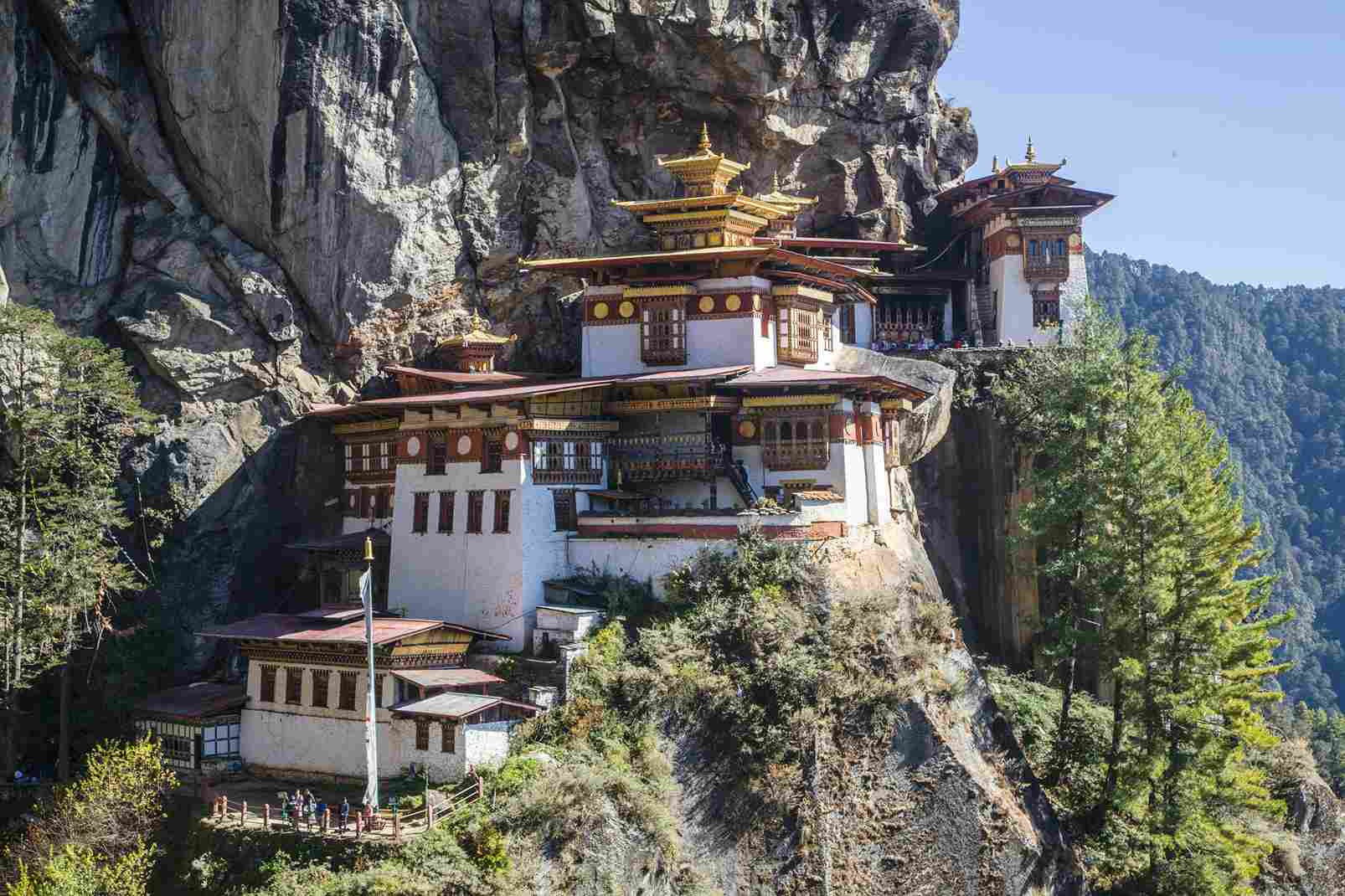
Weather: Pleasant daytime temperatures (15°C to 25°C) make it perfect for hiking to the Tiger’s Nest (Paro Taktsang).
Cultural Highlight: The Paro Tshechu usually takes place in March or April. This is one of the biggest religious festivals, featuring the unfurling of the giant Thongdrel (religious scroll).
Traveler Tip: This is peak season. Flights into Paro often sell out months in advance, so early planning is non-negotiable.
Autumn (September to November): The Photographer’s Dream
If you want to see the Himalayas in high definition, choose autumn. The monsoon rains wash away the dust, leaving the skies a piercing, deep blue.
Weather: Crisp and cool. Nights start getting chilly, especially in higher altitudes like Phobjikha and Bumthang.
Cultural Highlight: The Thimphu Tshechu (September/October) and the arrival of the Black-Necked Cranes in Phobjikha Valley (late October/November).
Trekking: This is the safest window for high-altitude treks like the Jomolhari Trek or the Snowman Trek, as the passes are free of snow and rain.
Winter (December to February): The Crisp Quiet
Often overlooked, winter is a fantastic time for budget-conscious travelers who want to avoid crowds.
Weather: Cold, with clear sunny days. Thimphu and Paro may see snowfall, turning the landscape into a Narnia-like wonderland.
Accessibility: High passes (like Chele La) might be closed due to snow, but the central valleys remain accessible.
Advantage: Luxury hotels often drop their rates, and you can enjoy popular Dzongs (fortresses) in solitude.
Monsoon (June to August): The Green Season
While rain can be a deterrent for trekkers, summer offers lush, emerald-green rice terraces and full waterfalls.
Experience: It rarely rains all day; showers are usually in the late afternoon. This is the best time for a "Wellness" focused trip, spending time in traditional hot stone baths and spas.
Cost-Benefit: You might find better deals on flights and easier availability for permits.
2. How to Visit Bhutan from India: Air, Road & Rail
Bhutan is a landlocked country sandwiched between India and China. For Indian travelers, the connectivity is seamless, but for international travelers, the route almost always goes through a few select hubs.
By Air: The Himalayan Approach
Flying into Bhutan is an experience in itself. Paro International Airport (PBH) is situated in a deep valley, and the landing is visually dramatic.
Airlines: Only two airlines operate flights: Drukair (Royal Bhutan Airlines) and Bhutan Airlines (Tashi Air).
Indian Hubs: You can fly directly to Paro from Delhi, Kolkata, Bagdogra, Guwahati, and Mumbai (seasonal).
International Hubs: Flights also connect from Bangkok (Thailand), Singapore, Kathmandu (Nepal), and Dhaka (Bangladesh).
New Development: Watch for flights to the developing Gelephu International Airport in the south, which is being expanded to support the Mindfulness City project.
By Road: The Scenic Overland Route
Entering Bhutan by road is a popular choice for Indian tourists from West Bengal and Assam.
Phuentsholing (West Bengal Border): The most common entry point via the Indian town of Jaigaon. The Immigration Office here processes entry permits for Indians.
Gelephu (Assam Border): A flatter, quieter entry point ideal if you want to explore the central region of Trongsa or Zhemgang.
Samdrup Jongkhar (Assam Border): The gateway to Eastern Bhutan. This is perfect for travelers who want to exit via Guwahati after traversing the entire country from West to East.
By Rail (Train Connectivity)
There are no trains inside Bhutan.
Nearest Stations:
Hasimara (West Bengal): Only 17 km from the Phuentsholing border.
New Alipurduar (West Bengal): About 60 km from the border.
Guwahati (Assam): A major hub for entering via Samdrup Jongkhar.
3. Bhutan Tourism Policies 2026: SDF, GST & Permits
Understanding the cost structure is critical for planning. In 2026, the financial regulations for tourists are strictly enforced.
The Sustainable Development Fee (SDF)
This is a daily levy imposed by the government to manage "over-tourism" and fund free healthcare and education for Bhutanese citizens.
International Tourists: USD 100 per person, per night. (This rate was reduced from $200 and is valid until August 31, 2027).
Indian Nationals: INR 1,200 per person, per night.
Children: Children aged 6–12 usually pay 50% of the SDF. Children under 6 are generally exempt (always verify current age cut-offs with your agent).
New 5% GST on Tourism Services
Effective January 1, 2026, Bhutan introduced a Goods and Services Tax (GST) of 5%.
Impact: This applies to service components like hotel bookings, transport hire, and guide fees.
Note: The SDF itself is generally exempt from GST, but the rest of your Bhutan Tour Package cost will include this tax. It replaces previous sales taxes, aiming for a more transparent tax regime.
Permit Requirements
Entry Permit: Required for all Indian nationals. It can be obtained online (recommended) or at the port of entry (Phuentsholing/Paro).
Route Permit: Required if you travel beyond Thimphu and Paro (e.g., to Punakha, Bumthang).
Visa: International tourists need a visa clearance before flying. This is processed by your tour operator.
4. Decoding the Bhutan Tour Package: What You Need to Know
Unlike other countries where a "package" is optional, in Bhutan, it is the standard operating model.
Why Book a Package?
For international tourists, it is mandatory to book your trip through a licensed Bhutanese tour operator or their international partner. You cannot get a visa without booking a package. For Indian tourists, while independent travel is allowed, booking a Bhutan Tour Package is highly recommended to secure vehicle permits, hotel reservations (which are mandatory for the entry permit), and route permits seamlessly.
What is Typically Included?
A standard, comprehensive package in 2026 generally covers:
Accommodation: 3-star hotels (government certified). Upgrades to 4/5 star require a supplement.
Meals: Full board (Breakfast, Lunch, Dinner).
Transport: A dedicated SUV or Minivan with a professional driver (vital for mountain roads).
Licensed Guide: An English-speaking guide who accompanies you throughout.
Camping Equipment: If you are on a trekking itinerary.
Taxes: All royalties and taxes (SDF is often collected by the agent and remitted to the government).
Types of Packages to Consider
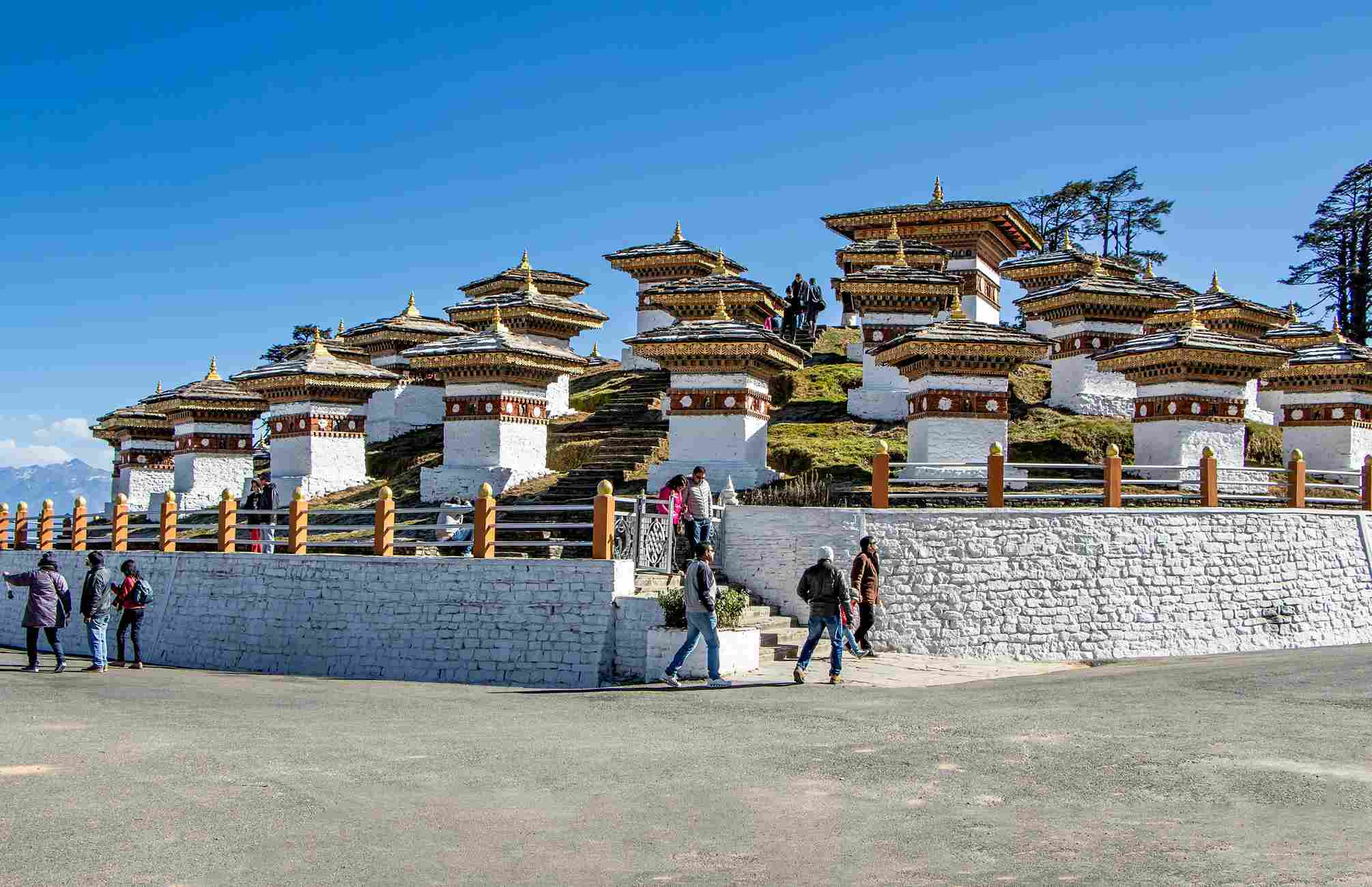
Cultural & Heritage: Focuses on Dzongs (Fortresses), Museums, and textiles.
Birdwatching: Bhutan is a hotspot for ornithologists (species like the Rufous-necked Hornbill).
Wellness: Includes stays in hotels offering traditional Hot Stone Baths (Menchu) and meditation sessions.
Adventure: Motorbiking tours, rafting in Punakha, or high-altitude trekking.
5. Beyond the Itinerary: Key Regions to Explore
Bhutan is divided into distinct zones, each offering a different flavor of the Himalayas.
Western Bhutan (The Cultural Heartland)
This is where most first-time visitors spend their time.
Paro: Home to the airport and the iconic Tiger’s Nest Monastery (Taktsang), perched on a cliff 900 meters above the valley.
Thimphu: The capital city. It is unique for having no traffic lights. Key sights include the Buddha Dordenma (a massive 51m gold-plated statue) and the Motithang Takin Preserve.
Punakha: The former capital. It sits at a lower altitude (subtropical) and houses the majestic Punakha Dzong at the confluence of the Mo Chhu and Pho Chhu rivers.
Central Bhutan (The Spiritual Heartland)
A longer drive east takes you to a region of deep spirituality.
Phobjikha Valley (Gangtey): A vast U-shaped glacial valley famous for its conservation center and monastery.
Bumthang: Often called the "Switzerland of Bhutan." It consists of four valleys and is home to some of the oldest temples in the kingdom, dating back to the 7th century.
Southern Bhutan (The Future Hub)
Gelephu: Historically a border town, it is now the site of the massive "Gelephu Mindfulness City" project. In 2026, this area is transforming into a unique economic hub designed around sustainability and mindfulness, attracting curiosity from global travelers.
6. Practical Travel Logistics for 2026
Currency & Money
Currency: Ngultrum (BTN).
Exchange: The Ngultrum is pegged 1:1 with the Indian Rupee (INR).
Acceptance: Indian Rupee notes are widely accepted in Bhutan. However, strictly avoid carrying INR 500 notes if possible, as acceptance can vary in remote areas due to past counterfeiting regulations. USD is the best currency for international travelers to exchange.
ATMs: Available in main towns but can be unreliable. Carry sufficient cash.
Connectivity
SIM Cards: You can buy a tourist SIM from B-Mobile or TashiCell at the airport. 4G/5G coverage is surprisingly good in Western and Central Bhutan.
Wi-Fi: Most hotels offer Wi-Fi, but speeds can drop in the evenings when usage is high.
Dress Code & Etiquette
Dzongs & Monasteries: You must dress modestly. Collared shirts and long pants are mandatory. No hats, shorts, or flip-flops.
Conclusion: Traveling to Bhutan in 2026 is an investment—not just of money, but of time and intent. The policies are designed to ensure that you see a country that is unspoiled, culturally vibrant, and ecologically pure. By understanding the logistics of the Bhutan Tour Package ecosystem and respecting local customs, you are guaranteed a journey that transcends mere sightseeing.
 Admin
Admin 




 Hassle-free booking and best price guaranteed
 24/7 support available
 Hand-picked tours & activities
 Free travel insurance
 sales@dooktravels.com
 +918368513675