


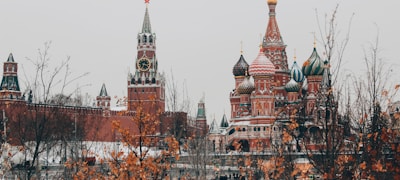


Introduction: Why a Schengen Visa Is the Best Investment for Indian Travellers in 2026
If you hold an Indian passport and dream of exploring Europe's cobblestone alleys, fjord-cut coastlines, Mediterranean beaches, and ancient ruins, a Schengen visa is your single most powerful travel document.
One visa. One application. Access to 26+ countries across Europe — and beyond.
As someone who has travelled across multiple Schengen countries on a single Indian passport, I can tell you firsthand: the Schengen visa is not just a travel document, it's a gateway to some of the most transformative travel experiences in the world.
In 2026, the Schengen Area covers 29 member states, but this article focuses on the 26 most relevant and accessible countries for Indian passport holders — including several non-Schengen countries that have opened their doors to travellers holding a valid Schengen visa.
Whether you're planning a two-week Euro trip, a solo backpacking adventure, or a luxury honeymoon, this guide covers everything you need to know: entry rules, visa validity, costs, best time to visit, and insider tips for each destination.
What Is a Schengen Visa? (Quick Primer for Indian Travellers)
A Schengen visa is a short-stay visa (Type C) that allows the holder to travel freely within the Schengen Area for up to 90 days within any 180-day period. It eliminates the need for separate visas for each European country you visit.
Key facts for Indian passport holders:
You must apply at the embassy of the main destination country (the country where you'll spend the most time, or your first port of entry).
The visa fee is €80 (approx. ₹7,200) as of 2026.
Processing time: 15 working days (up to 30–60 days during peak season).
Multiple-entry Schengen visas are common for frequent travellers with a good travel history.
India and the EU are working toward a mutual Schengen visa facilitation agreement, which may reduce fees and processing times in the near future.
Pro Tip (from experience): Always apply for a Schengen visa with a buffer of at least 30 days before your travel date. Embassy appointments in cities like Mumbai, Delhi, and Chennai book out quickly — especially during summer (April–June) and winter holiday seasons.
The 26 Countries You Can Visit With a Schengen Visa on an Indian Passport
This list is divided into two sections:
Schengen Member States — countries that are official members of the Schengen Area (entry is automatic with a valid visa)
Non-Schengen Countries That Accept a Valid Schengen Visa — bonus destinations that allow Indian passport holders to enter using their existing Schengen visa
SECTION A: Schengen Member States (20 Countries)
1. France — The Eternal Classic
Capital: Paris | Currency: Euro (€) | Language: French
Best Time to Visit: April–June, September–October
Average Daily Budget (Indian Traveller): ₹8,000–₹15,000/day
France is the world's most visited country and the top Schengen destination for Indians. From the Eiffel Tower to the French Riviera, Bordeaux's wine country to Normandy's war memorials, France offers unmatched diversity.
Top Experiences:
Paris: Louvre Museum, Eiffel Tower, Seine River cruise, Montmartre
Nice: Promenade des Anglais, Old Town, day trip to Monaco
Lyon: UNESCO-listed Old Town, French gastronomy capital
Versailles: Palace of Versailles day trip from Paris
Entry Requirements: Valid Schengen visa (minimum 6 months passport validity from date of entry)
Indian Food Availability: Excellent in Paris (notably in 10th and 18th arrondissements), Nice, and Lyon.
First-hand Tip: The Paris Museum Pass (2, 4, or 6 days) saves significant money if you plan to visit more than 3–4 museums. Buy it online before you arrive to skip queues.
2. Germany — Engineering Meets Fairy-Tale Villages
Capital: Berlin | Currency: Euro (€) | Language: German
Best Time to Visit: May–September; October for Oktoberfest
Average Daily Budget: ₹7,000–₹13,000/day
Germany is the Schengen area's economic powerhouse and one of the most Indian-friendly destinations in Europe. With a large Indian diaspora — particularly in cities like Frankfurt, Munich, Düsseldorf, and Stuttgart — you'll find Indian restaurants, grocery stores, and community support throughout.
Top Experiences:
Berlin: Brandenburg Gate, Berlin Wall Memorial, Museum Island
Munich: Marienplatz, BMW Museum, Nymphenburg Palace, Oktoberfest (late September–early October)
Bavaria: Neuschwanstein Castle — the real-life fairy-tale castle
Hamburg: Speicherstadt warehouse district, Miniatur Wunderland
Visa Tip: Germany is one of the best countries to apply for your first Schengen visa from, as the German embassy is known for relatively transparent and consistent processing.
3. Italy — Where History Lives and Breathes
Capital: Rome | Currency: Euro (€) | Language: Italian
Best Time to Visit: April–June, September–October
Average Daily Budget: ₹7,500–₹14,000/day
Italy is perhaps the most sensory-rich destination in Europe — ancient ruins, Renaissance art, world-class cuisine, and landscapes that look like paintings. For Indian travellers, Italy consistently ranks in the top 3 Schengen destinations.
Top Experiences:
Rome: Colosseum, Vatican City, Trevi Fountain, Pantheon
Florence: Uffizi Gallery, Duomo, Ponte Vecchio
Venice: Grand Canal, St. Mark's Basilica, gondola rides
Amalfi Coast: Positano, Ravello, cliffside driving routes
Tuscany: Rolling hills, vineyards, Siena, San Gimignano
For Vegetarians: Italian cuisine is inherently vegetarian-friendly — pasta, pizza, bruschetta, and risotto are staples with abundant meat-free options.
4. Spain — Sun, Siesta, and Soul
Capital: Madrid | Currency: Euro (€) | Language: Spanish
Best Time to Visit: March–May, September–November
Average Daily Budget: ₹6,500–₹12,000/day
Spain is a perennial favourite for Indian travellers — vibrant cities, stunning coastlines, world-class architecture, and a nightlife culture unlike anywhere else in Europe.
Top Experiences:
Barcelona: Sagrada Família, Park Güell, La Rambla, Gothic Quarter
Madrid: Prado Museum, Retiro Park, Royal Palace, Puerta del Sol
Seville: Alcázar, Flamenco shows, Plaza de España
Granada: Alhambra Palace (book tickets months in advance!)
Ibiza & Mallorca: Beach escapes in the Balearic Islands
Practical Note: Spain is also the gateway to Andorra (a micro-nation that accepts your Schengen visa).
5. Greece — Where Mythology Meets Azure Waters
Capital: Athens | Currency: Euro (€) | Language: Greek
Best Time to Visit: May–June, September–October
Average Daily Budget: ₹6,000–₹11,000/day
Greece is one of the most affordable and scenic Schengen destinations for Indian passport holders. The combination of ancient history, island-hopping, and Mediterranean cuisine makes it a top pick for honeymooners and solo travellers alike.
Top Experiences:
Athens: Acropolis, Parthenon, National Archaeological Museum
Santorini: Oia sunset, caldera views, volcano hike
Mykonos: Little Venice, windmills, vibrant nightlife
Crete: Knossos Palace, Samaria Gorge, Balos Beach
Meteora: Monasteries perched on dramatic rock formations
Budget Tip: The Greek islands are most affordable in May and late September — fewer crowds, lower hotel rates, and the sea is still warm.
6. Netherlands — Canals, Tulips, and Cutting-Edge Culture
Capital: Amsterdam | Currency: Euro (€) | Language: Dutch
Best Time to Visit: April–May (tulip season), June–August
Average Daily Budget: ₹8,000–₹14,000/day
The Netherlands is compact, efficient, and endlessly charming. Amsterdam alone could occupy a week, but cities like Rotterdam (modern architecture), The Hague (international justice hub), and Delft (ceramics and Vermeer) offer distinct experiences.
Top Experiences:
Amsterdam: Anne Frank House (book online!), Rijksmuseum, Van Gogh Museum, canal boat tours
Keukenhof Gardens: 7 million blooming tulips (March–May)
Rotterdam: Cube Houses, Markthal, Erasmus Bridge
Windmills at Kinderdijk: UNESCO World Heritage site
7. Switzerland — Nature's Masterpiece
Capital: Bern | Currency: Swiss Franc (CHF) | Language: German/French/Italian/Romansh
Best Time to Visit: June–September (summer), December–February (skiing)
Average Daily Budget: ₹15,000–₹25,000/day (Switzerland is pricey)
Switzerland consistently ranks as one of the most loved European destinations among Indian travellers, thanks largely to its Bollywood fame (DDLJ, Dilwale Dulhania Le Jayenge was filmed here). Jungfrau, Lake Geneva, and Zurich remain bucket-list items for millions of Indians.
Top Experiences:
Interlaken & Jungfrau Region: Top of Europe, skydiving, paragliding
Lucerne: Chapel Bridge, Lion Monument, Lake Lucerne
Zurich: Old Town, Lake Zurich, Swiss National Museum
Zermatt & Matterhorn: Iconic Alpine peak, car-free village
Geneva: Lake Geneva, Jet d'Eau, UN headquarters
Swiss Travel Pass: Highly recommended — covers trains, buses, boats, and many mountain lifts.
8. Austria — Imperial Grandeur and Alpine Splendour
Capital: Vienna | Currency: Euro (€) | Language: German
Best Time to Visit: April–October; December for Christmas markets
Average Daily Budget: ₹8,000–₹14,000/day
Austria offers an extraordinary blend of imperial architecture, Alpine scenery, world-class classical music, and skiing. Vienna is consistently rated among Europe's most liveable cities.
Top Experiences:
Vienna: Schönbrunn Palace, Vienna Opera House, Belvedere Museum, Prater
Salzburg: Mozart's birthplace, Sound of Music filming locations, Hohensalzburg Fortress
Hallstatt: Arguably Europe's most photogenic village
Innsbruck: Tyrolean Alps, Golden Roof, Alpine skiing
9. Portugal — Europe's Soulful Underdog
Capital: Lisbon | Currency: Euro (€) | Language: Portuguese
Best Time to Visit: March–May, September–October
Average Daily Budget: ₹5,500–₹10,000/day
Portugal is one of the most affordable and underrated Schengen destinations for Indian travellers. Lisbon and Porto are rapidly growing in popularity, while the Algarve coast rivals any Mediterranean beach in beauty.
Top Experiences:
Lisbon: Belém Tower, Jerónimos Monastery, Tram 28, Fado music
Porto: Dom Luís Bridge, port wine cellars, Livraria Lello bookshop
Sintra: UNESCO palaces and fairy-tale castles
Algarve: Ponta da Piedade sea cliffs, golden beaches
10. Czech Republic — Medieval Magic in Central Europe
Capital: Prague | Currency: Czech Koruna (CZK) | Language: Czech
Best Time to Visit: April–June, September–October
Average Daily Budget: ₹5,000–₹9,000/day
Prague is one of Europe's best-preserved medieval cities and among the most budget-friendly Schengen capitals. The Old Town, Charles Bridge, and Prague Castle create a skyline that feels lifted from a fantasy novel.
Top Experiences:
Prague Old Town Square & Astronomical Clock
Charles Bridge at sunrise (before the tourist crowds arrive)
Prague Castle complex
Český Krumlov: Day trip to a UNESCO-listed baroque town
Beer culture: The Czech Republic produces the world's most consumed lager per capita
11. Belgium — The Chocolate, Beer, and Art Capital
Capital: Brussels | Currency: Euro (€) | Language: French/Dutch/German
Best Time to Visit: May–August
Average Daily Budget: ₹7,500–₹13,000/day
Belgium punches well above its weight for size. Brussels hosts NATO and EU headquarters. Bruges is a UNESCO-listed medieval gem. And Belgian chocolate, waffles, and beer are world-renowned institutions in their own right.
Top Experiences:
Brussels: Grand Place (one of Europe's most beautiful squares), Atomium, Royal Palace
Bruges: Canal boat rides, Belfry tower, chocolate shops
Ghent: Gravensteen Castle, Graslei waterfront, Ghent Altarpiece
Antwerp: Diamond district, Royal Museum of Fine Arts
12. Sweden — Scandinavia's Stylish Heart
Capital: Stockholm | Currency: Swedish Krona (SEK) | Language: Swedish
Best Time to Visit: June–August; December for Northern Lights (northern Sweden)
Average Daily Budget: ₹10,000–₹18,000/day
Sweden is a haven of design, sustainability, and natural beauty. Stockholm, spread across 14 islands, is one of Europe's most visually striking capitals. Northern Sweden offers the midnight sun in summer and Northern Lights in winter.
Top Experiences:
Stockholm: Gamla Stan (Old Town), Vasa Museum, ABBA Museum, Djurgården
Swedish Lapland (Kiruna/Abisko): Northern Lights, Icehotel, reindeer safaris
Gothenburg: Liseberg amusement park, West Coast seafood
Midsommar festival: A uniquely Swedish cultural experience (June)
13. Norway — Land of the Vikings and the Midnight Sun
Capital: Oslo | Currency: Norwegian Krone (NOK) | Language: Norwegian
Best Time to Visit: May–September (fjords); November–March (Northern Lights)
Average Daily Budget: ₹12,000–₹20,000/day (one of Europe's most expensive countries)
Norway's fjords are among the greatest natural spectacles on Earth. The Geirangerfjord and Nærøyfjord are UNESCO World Heritage sites. For Indian travellers, Norway is increasingly on the radar as a dream bucket-list destination.
Top Experiences:
Oslo: Viking Ship Museum, Vigeland Sculpture Park, Holmenkollen
Bergen: Bryggen Wharf (UNESCO), Fløibanen funicular
Geirangerfjord: Boat cruise through towering waterfalls
Tromsø: Northern Lights, Sami culture, Arctic adventures
Flåm Railway: One of the world's most scenic train journeys
14. Denmark — Hygge, Hans Christian Andersen, and World-Class Design
Capital: Copenhagen | Currency: Danish Krone (DKK) | Language: Danish
Best Time to Visit: May–August
Average Daily Budget: ₹9,000–₹16,000/day
Denmark introduced the world to the concept of hygge (the art of cosiness), and Copenhagen is consistently ranked among the world's happiest and most liveable cities. It's also a culinary capital with more Michelin stars per capita than almost anywhere else.
Top Experiences:
Copenhagen: Nyhavn waterfront, Tivoli Gardens, The Little Mermaid statue, Christiansborg Palace
Legoland Billund: Ideal for families
Kronborg Castle (Hamlet's castle), Helsingør
Aarhus: ARoS Art Museum (Your Rainbow Panorama)
15. Finland — The Land of a Thousand Lakes (and Santa Claus)
Capital: Helsinki | Currency: Euro (€) | Language: Finnish/Swedish
Best Time to Visit: June–August; November–February for Northern Lights
Average Daily Budget: ₹9,000–₹16,000/day
Finland is a nature lover's paradise — 188,000 lakes, vast forests, and in Lapland, the magical experience of staying in a glass igloo under the Northern Lights. Helsinki is a compact, walkable capital with world-class design and architecture.
Top Experiences:
Helsinki: Senate Square, Suomenlinna Sea Fortress (UNESCO), Design District
Rovaniemi: Santa Claus Village, Arctic Circle crossing, reindeer sleigh rides
Northern Lights (Aurora Borealis): Best seen from Lapland, November–March
Finnish Sauna: A cultural institution — the country has 3.3 million saunas for 5.5 million people
16. Poland — Where History Hits Hardest
Capital: Warsaw | Currency: Polish Złoty (PLN) | Language: Polish
Best Time to Visit: May–September
Average Daily Budget: ₹4,000–₹8,000/day (one of the most budget-friendly Schengen countries)
Poland is an extraordinarily underrated destination for Indian travellers. It offers medieval architecture, tragic wartime history, vibrant nightlife, and some of the most affordable prices in the Schengen Zone.
Top Experiences:
Kraków: Old Town (UNESCO), Wawel Castle, Jewish Quarter (Kazimierz)
Auschwitz-Birkenau: A sobering and essential historical visit
Warsaw: Old Town (rebuilt after WWII), Warsaw Rising Museum, Łazienki Park
Gdańsk: Gothic architecture, Baltic Sea beaches, amber markets
Wieliczka Salt Mine: 700-year-old underground city (UNESCO)
17. Hungary — Budapest, the Pearl of the Danube
Capital: Budapest | Currency: Hungarian Forint (HUF) | Language: Hungarian
Best Time to Visit: April–June, September–October
Average Daily Budget: ₹4,500–₹8,500/day
Budapest is widely regarded as one of Europe's most beautiful capital cities — bisected by the Danube, crowned by a Gothic Parliament building, and dotted with thermal spas that date back to Ottoman times.
Top Experiences:
Budapest: Fisherman's Bastion, Matthias Church, Heroes' Square, Chain Bridge (lit up at night)
Thermal baths: Széchenyi, Gellért, and Rudas baths
Danube Bend: Day trips to Visegrád and Esztergom
Budapest nightlife: The city's iconic "ruin bars" in the Jewish Quarter
18. Croatia — Game of Thrones Country Meets Adriatic Paradise
Capital: Zagreb | Currency: Euro (€, since 2023) | Language: Croatian
Best Time to Visit: May–June, September–October (avoid August crowds)
Average Daily Budget: ₹6,000–₹11,000/day
Croatia officially joined the Schengen Area on 1 January 2023 — making it directly accessible on your Schengen visa. Its 1,800 km of Adriatic coastline, crystal-clear sea, and 1,244 islands make it one of Europe's most spectacular destinations.
Top Experiences:
Dubrovnik: Old City walls (UNESCO), Game of Thrones filming locations, cable car
Plitvice Lakes: 16 terraced lakes connected by waterfalls (UNESCO)
Split: Diocletian's Palace, waterfront promenade
Hvar Island: Lavender fields, beaches, vibrant nightlife
Zadar: Sea Organ, Roman Forum, sunset over the Adriatic
19. Malta — A Tiny Island with an Ancient Soul
Capital: Valletta | Currency: Euro (€) | Language: Maltese/English
Best Time to Visit: April–June, September–October
Average Daily Budget: ₹6,000–₹10,000/day
Malta is the smallest EU member state and one of the most historically dense destinations in Europe — every square kilometre contains millennia of history. English is an official language, making it exceptionally easy for Indian travellers to navigate.
Top Experiences:
Valletta: UNESCO-listed capital, St. John's Co-Cathedral, Grand Master's Palace
Mdina: The "Silent City" — a walled medieval citadel
Blue Lagoon (Comino): One of the Mediterranean's most stunning natural swimming spots
Ggantija Temples (Gozo): Older than Stonehenge and the Egyptian Pyramids
Azure Window (memory): Iconic rock arch that collapsed in 2017 — but Gozo remains breathtaking
Tip for Indians: Malta's English-speaking population makes it one of the easiest Schengen countries to navigate without language barriers.
20. Iceland — Fire, Ice, and the Northern Lights
Capital: Reykjavik | Currency: Icelandic Króna (ISK) | Language: Icelandic
Best Time to Visit: June–August (midnight sun); November–February (Northern Lights)
Average Daily Budget: ₹14,000–₹25,000/day (expensive but extraordinary)
Iceland is on the Schengen list and is an absolute bucket-list destination — waterfalls, geysers, glaciers, lava fields, and the Northern Lights all on one island. It's among the most geologically active places on Earth.
Top Experiences:
Golden Circle: Þingvellir National Park (UNESCO), Geysir, Gullfoss Waterfall
Blue Lagoon: Geothermal spa (book well in advance)
South Coast: Skógafoss, Seljalandsfoss waterfalls, black sand beaches
Northern Lights: Best experienced away from Reykjavik's light pollution
Snæfellsnes Peninsula: Glaciers, Kirkjufell mountain, black lava cliffs
SECTION B: Non-Schengen Countries That Accept a Valid Schengen Visa
One of the best-kept secrets for Indian travellers is that several non-EU, non-Schengen countries accept a valid Schengen visa as either a visa on arrival or a visa exemption. This dramatically expands your travel possibilities without any additional visa applications.
Important Note: Requirements can change. Always verify current entry conditions with the respective embassy or official government website before travel.
21. Albania — Europe's Most Underrated Gem
Capital: Tirana | Currency: Albanian Lek (ALL) | Language: Albanian
Best Time to Visit: May–September
Average Daily Budget: ₹3,500–₹7,000/day (extremely affordable)
Albania accepts Indian passport holders with a valid Schengen visa for visa-free entry. This Balkan nation offers dramatic mountain scenery, ancient ruins, a turquoise Ionian coast rivalling Greece, and remarkably affordable prices.
Entry Rule: Indian passport holders with a valid Schengen visa (or US/UK/EU visa) can enter Albania without a separate visa.
Top Experiences:
Berat: UNESCO "City of a Thousand Windows"
Gjirokastër: Another UNESCO Ottoman-era town
Albanian Riviera: Dhermi, Ksamil beaches — comparable to Greece at a fraction of the cost
Valbona Valley: Dramatic Alps scenery for trekkers
22. Serbia — The Balkans' Beating Heart
Capital: Belgrade | Currency: Serbian Dinar (RSD) | Language: Serbian
Best Time to Visit: April–October
Average Daily Budget: ₹3,000–₹6,000/day
Serbia is not a Schengen member but accepts Indian passport holders holding a valid Schengen visa for entry. Belgrade is one of Europe's most vibrant nightlife capitals and a city with layered history.
Entry Rule: Valid Schengen visa (single, double, or multiple entry) with at least one entry remaining allows Indians visa-free entry to Serbia.
Top Experiences:
Belgrade: Kalemegdan Fortress, Skadarlija Bohemian Quarter, Belgrade nightlife (Splav clubs)
Novi Sad: Petrovaradin Fortress, EXIT Music Festival (July)
Niš: Roman Mediana archaeological site, Skull Tower
Uvac Canyon: Meanders and griffon vulture sanctuary
23. North Macedonia — Ancient Crossroads of Civilisations
Capital: Skopje | Currency: Macedonian Denar (MKD) | Language: Macedonian
Best Time to Visit: April–October
Average Daily Budget: ₹2,800–₹5,500/day
North Macedonia is among the most affordable and authentic Balkan destinations, and accepts Indian passport holders with a valid Schengen visa.
Entry Rule: Indian nationals with a valid Schengen visa can enter North Macedonia without an additional visa.
Top Experiences:
Skopje: Macedonia Square, Old Bazaar (Čaršija), Mother Teresa Memorial House
Ohrid: UNESCO-listed lake city — "the Jerusalem of the Balkans"
Matka Canyon: Boat rides through limestone gorges, ancient monasteries
Pelister and Mavrovo National Parks
24. Georgia — The Ancient Land at the Crossroads of Europe and Asia
Capital: Tbilisi | Currency: Georgian Lari (GEL) | Language: Georgian
Best Time to Visit: April–June, September–November
Average Daily Budget: ₹3,000–₹6,500/day
Georgia is one of the most exciting emerging destinations for Indian travellers. Known for its extraordinary wine culture (it invented wine — 8,000 years ago!), ancient cave cities, Caucasus mountain scenery, and famously generous hospitality.
Entry Rule: Indian passport holders with a valid Schengen visa (or US/UK visa) are eligible for a visa-free stay of up to 1 year in Georgia. Verify current rules before travel.
Top Experiences:
Tbilisi: Narikala Fortress, Sulphur Baths, Shota Rustaveli Avenue, vibrant food scene
Kazbegi: Gergeti Trinity Church against the backdrop of Mount Kazbek
Kakheti Wine Region: Wine cave tours, chacha (grape vodka), winery hospitality
Vardzia Cave Monastery: 12th-century cave city carved into a volcanic cliff
Batumi: Black Sea resort city with Art Nouveau architecture
25. Turkey — Where Two Continents Collide
Capital: Ankara | Currency: Turkish Lira (TRY) | Language: Turkish
Best Time to Visit: April–June, September–October
Average Daily Budget: ₹4,500–₹9,000/day
Turkey is one of the most popular destinations for Indian travellers globally, and Indian passport holders can obtain a Turkish e-visa easily — with a valid Schengen visa further simplifying the process in some cases. Turkey straddles Europe and Asia, offering extraordinary diversity.
Entry Rule: Indian passport holders can obtain a Turkish e-visa online (approx. ₹4,500). Holding a valid Schengen visa may facilitate faster e-visa processing. Always apply via the official Turkish e-visa portal.
Top Experiences:
Istanbul: Hagia Sophia, Topkapi Palace, Grand Bazaar, Bosphorus cruise
Cappadocia: Hot air balloon rides over fairy chimneys (Göreme)
Ephesus: One of the best-preserved ancient Roman cities
Pamukkale: White calcium terraces and ancient Hierapolis
Antalya: Turkish Riviera beaches, Lycian Way trekking
Note for Indians: Turkish Airlines' excellent connectivity from Indian cities makes Istanbul a natural hub for onward Schengen travel.
26. Kosovo — Europe's Youngest and Most Surprising Nation
Capital: Pristina | Currency: Euro (€) | Language: Albanian/Serbian
Best Time to Visit: May–September
Average Daily Budget: ₹2,500–₹5,000/day (the most affordable European destination)
Kosovo declared independence in 2008 and is not a Schengen member, but it accepts Indian passport holders holding a valid Schengen visa for visa-free entry. It's Europe's youngest nation and one of its least-touristed — which means authentic experiences and unbeatable value.
Entry Rule: Indian nationals with a valid Schengen visa (single, double, or multiple entry with remaining entries) may enter Kosovo visa-free. Verify with the Kosovo Ministry of Foreign Affairs before travel.
Top Experiences:
Pristina: Bill Clinton Boulevard, National Library (one of Europe's most unusual buildings), vibrant café culture
Prizren: Ottoman Old Town, Sinan Pasha Mosque, Prizren Fortress
Rugova Canyon: Dramatic gorge for hiking, paragliding, and rock climbing
Gračanica Monastery: 14th-century Serbian Orthodox monastery (UNESCO)
Schengen Visa Application Guide for Indian Passport Holders (2026)
Step-by-Step Process
Step 1: Determine Your Main Destination
Apply at the embassy of the country where you'll spend the most nights. If equal, apply at the country of first entry.
Step 2: Book Your Appointment
Most Schengen embassies in India operate through VFS Global. Book at least 6–8 weeks in advance during peak season.
Step 3: Gather Your Documents
Valid Indian passport (min. 6 months validity beyond your return date; at least 2 blank pages)
Completed Schengen visa application form
Two recent passport-sized photographs (35mm × 45mm, white background)
Confirmed return flight tickets
Hotel bookings or letter of invitation
Travel insurance (min. €30,000 coverage, valid across Schengen)
Bank statements (last 3–6 months; recommended minimum balance: ₹2–₹3 lakh)
Income proof: ITR, salary slips, leave letter from employer
Cover letter explaining your itinerary
If self-employed: CA-certified business documents
Step 4: Pay the Visa Fee
€80 (approximately ₹7,200) for adults; €40 for children aged 6–12; free for children under 6.
Step 5: Attend the Appointment
Biometric data (fingerprints) will be collected at the VFS/embassy centre. Keep your originals and copies ready.
Step 6: Track Your Application
Use the tracking number provided. Standard processing: 15 working days. Apply at least 30 days before travel.
Schengen Visa Fee & Processing Time Table (2026)
| Country | Embassy in India | Processing Time |
| France | Mumbai, Delhi, Bengaluru, Chennai | 15 working days |
| Germany | Mumbai, Delhi, Chennai, Kolkata, Bengaluru | 10–15 working days |
| Italy | Mumbai, Delhi, Chennai | 15 working days |
| Spain | Mumbai, Delhi | 15 working days |
| Greece | Mumbai, Delhi | 15 working days |
| Netherlands | Mumbai, Delhi | 12–15 working days |
| Switzerland | Mumbai, Delhi, Chennai, Kolkata | 10–15 working days |
Schengen Visa Rules: The 90/180 Rule Explained Simply
The most important rule for Indian travellers with a Schengen visa:
You can stay a maximum of 90 days within any 180-day rolling window across the entire Schengen Zone — not per country.
Example: If you spent 45 days in Germany from January to February, then 45 days in France in March–April, you've used your 90 days. You cannot re-enter any Schengen country until the 180-day window resets.
Calculator Tip: Use the official EU Schengen Short-Stay Calculator at the European Commission's website to track your days precisely.
Common Mistakes Indian Travellers Make With Schengen Visas
Applying too late — Embassy slots fill up weeks or months ahead. Apply the moment you have a confirmed plan.
Insufficient bank balance — Embassies look for a consistent balance, not just a one-time deposit.
Not having travel insurance — It's mandatory, not optional. Ensure it covers medical emergencies and repatriation.
Overstaying the 90-day limit — This results in bans from the Schengen Area and can affect future applications globally.
Mismatching your main destination — Applying to the French embassy when Italy is your primary destination can lead to rejection.
Not preparing a strong cover letter — A detailed, honest itinerary letter significantly increases approval chances for first-time applicants.
Travel Insurance for Schengen Visa: What Indian Travellers Need to Know
Travel insurance is mandatory for a Schengen visa. The minimum requirements:
Coverage: €30,000 (approximately ₹27 lakh) minimum
Validity: Covers entire duration of Schengen stay
Coverage scope: Entire Schengen Area
Includes: Medical emergencies, hospitalisation, repatriation
Recommended Indian insurers for Schengen travel insurance: Care Health Insurance, Bajaj Allianz, HDFC ERGO, Tata AIG, Religare Travel Insurance.
Average cost: ₹500–₹2,000 for a 15-day trip depending on coverage and insurer.
Expert Tips: How to Maximise Your Schengen Visa as an Indian Traveller
1. Apply for a Multiple-Entry Visa:
If you have a good travel history (previous Schengen stamps, US/UK visas), explicitly request a multiple-entry visa with 1–2 years validity. This is commonly granted to frequent travellers and saves the hassle of reapplying.
2. Pair Schengen with Non-Schengen Balkans:
Countries like Albania, Serbia, Kosovo, and North Macedonia accept your Schengen visa. A Balkan extension adds extraordinary value — at a fraction of the cost — to your Europe trip.
3. Use Budget Airlines Within Europe:
Ryanair, Wizz Air, EasyJet, and Vueling connect European cities for as low as €10–€30. Book 2–3 months in advance for best fares.
4. Travel Inter-Rail or Eurail:
For multi-country trips, a Eurail Global Pass can be more economical than multiple one-way flights, plus the train journey itself is part of the experience.
5. Choose Shoulder Season for Better Value:
May–June and September–October offer the best balance of good weather, lower prices, and smaller crowds compared to peak July–August.
6. Document Your Trip Thoroughly:
Keep digital copies of all Schengen-related documents (visa, insurance, hotel bookings, return tickets). This is helpful during border crossings into non-Schengen countries that accept your visa.
Conclusion: Your Schengen Adventure Starts Now
A Schengen visa is far more than a stamp in your Indian passport. It's an invitation to experience the full breadth of European civilisation — from Iceland's volcanic landscapes to Kosovo's Ottoman old towns, from France's haute cuisine to Poland's medieval cities — all on a single visa.
In 2026, with 20 Schengen member states and 6 bonus non-Schengen countries covered in this guide, Indian travellers have unprecedented access to the world's most culturally rich continent.
Plan thoroughly. Apply early. Travel boldly. Europe is waiting.
This article is for informational purposes only. Visa regulations and entry requirements can change. Always verify current requirements with the official embassy website or VFS Global before applying or travelling.
About the Author: This guide is compiled from first-hand travel experience across Europe, visa application expertise for Indian passport holders, and continuous monitoring of Schengen immigration updates. For corrections or the latest updates, always cross-reference with official embassy sources.
 Admin
Admin 



















 Hassle-free booking and best price guaranteed
 24/7 support available
 Hand-picked tours & activities
 Free travel insurance
 sales@dooktravels.com
 +918368513675