


Why Cambodia Will Surprise You More Than Any Other Destination in Asia
Cambodia is a country that sneaks up on you. You go to Cambodia expecting to see some incredible temples. And you leave with something far more difficult to describe: a lingering sense of connection to a place that has endured some of humanity's darkest moments and has emerged with a warmth, resilience, and beauty that is uniquely its own.
But Cambodia is also a place with its own pace, its own rules, and its own ways of doing things that can surprise even the first-time traveler to Cambodia. The traveler who goes to Cambodia as an informed visitor, with a desire to learn and experience all that Cambodia has to offer, is going to have a far different experience from the traveler who simply books the cheapest Cambodia tour package they can find online and shows up without any knowledge or understanding of what Cambodia is about. This article is intended to give you the 21 things that experienced Cambodia visitors wish someone had told them before their first visit to Cambodia.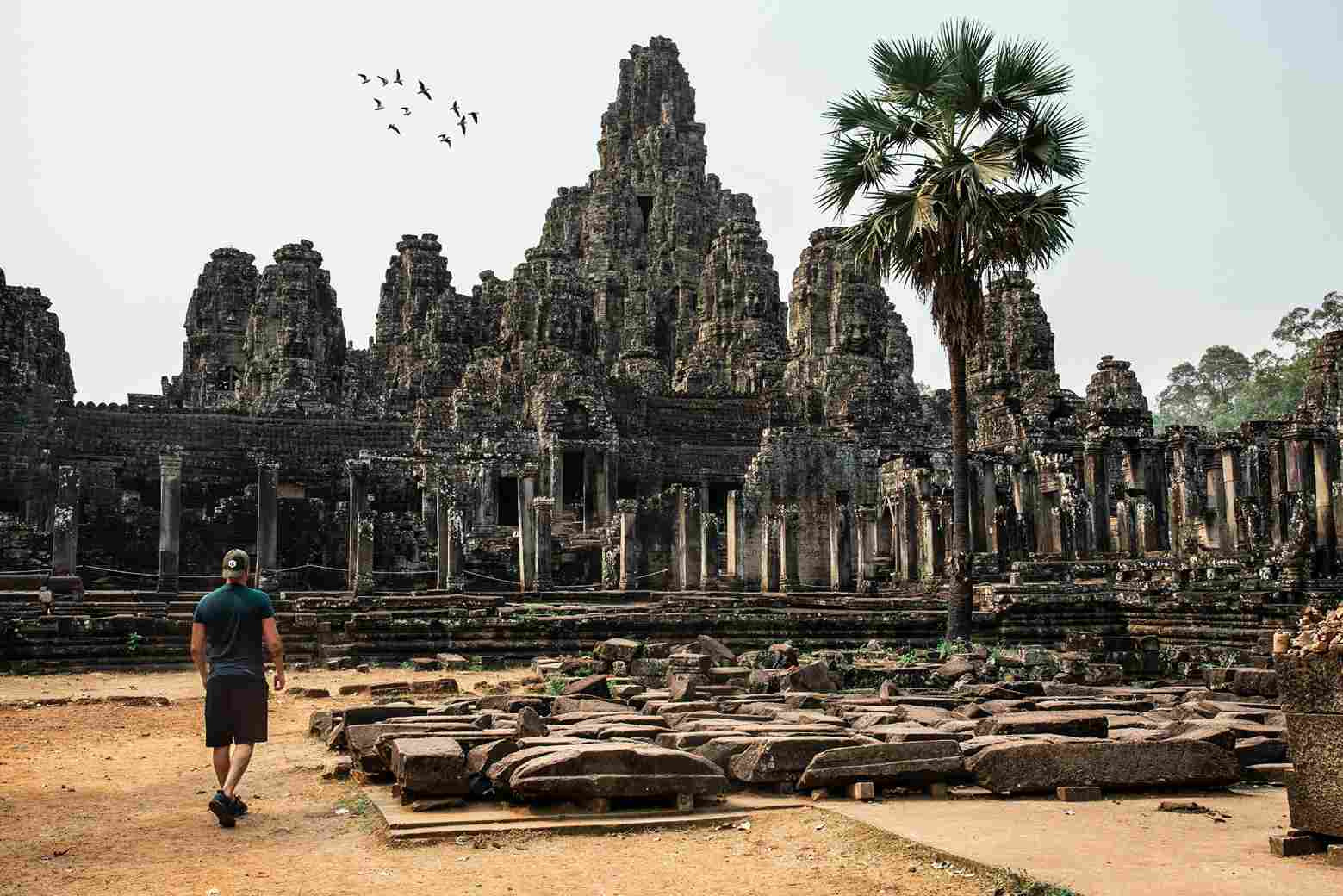
1. Cambodia Is Far More Than Angkor Wat
The first and most important thing to understand before booking any of the available Cambodia tour packages is that Cambodia is far more than Angkor Wat.
Yes, Angkor Wat is the biggest religious monument in the world and one of the most incredible human achievements in history. Yes, visiting Angkor Wat will be one of the greatest experiences of your life as a traveler. But Cambodia also offers the untamed rainforests of the Cardamom Mountains, the bioluminescent beaches of Koh Rong, the French colonial charm of Kampot, the floating villages of Tonle Sap Lake, the somber historical attractions of Phnom Penh, and some of the most spectacular river landscapes in all of Southeast Asia along the upper Mekong River.
2. The Cambodian People Are Among the Warmest You'll Ever Meet
This isn't a travel brochure cliché. It's one of the most common comments made by first-time tourists traveling to Cambodia across all platforms, review sites, travel forums, and more. Simply put, the people of Cambodia – especially those outside of the main tourist areas – have a quality of warmth and openness toward foreigners that's hard to find anywhere else in the world.
Cambodia suffered an estimated 1.7 to 2.5 million people dead from the Khmer Rouge genocide from 1975 to 1979. This is about a quarter of its total population. The generation that came after rebuilt Cambodia from scratch. The warmth you experience in Cambodia is not for your eyes. It is something much more profound and earned.
If you approach every interaction with genuine respect and curiosity, Cambodia will give you back far more than you ever expected.
3. You Need to Understand Cambodia's History Before You Arrive
Speaking of the Khmer Rouge... Do not arrive in Cambodia without at least a basic understanding of what has gone down here between 1975 and 1979. The Tuol Sleng Genocide Museum in Phnom Penh and the Choeung Ek Memorial, also called the Killing Fields, are two of the most important historical sites in Asia. Visiting these sites without at least a basic understanding of Cambodia's history is like visiting a series of photographs that you have no idea about.
Read at least one account of this time period before you arrive. Loung Ung's First They Killed My Father is one of the most accessible and human histories of this time period that you will ever come across. Understanding what Cambodia has gone through will completely change the quality of your entire trip...not just your historical site visits.
4. Visa Requirements Have Changed — Get Your ETA Before You Fly
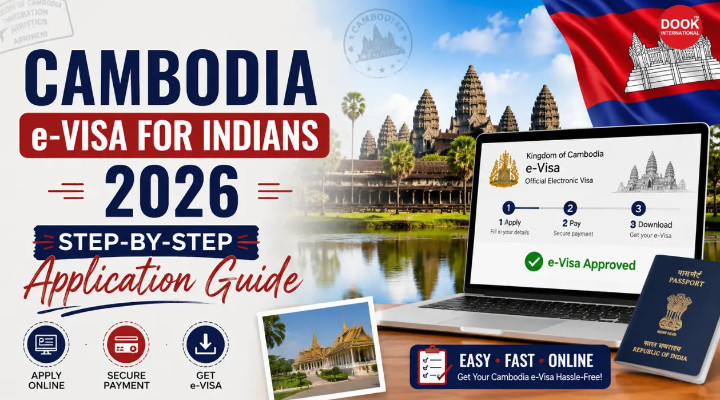
Cambodia has introduced a new e-Visa and Electronic Travel Authorization system that has replaced visa-on-arrival procedures for various nationalities. Most international visitors can now apply for a visa electronically prior to their trip through the official government Cambodia e-Visa site.
The cost of a Cambodia e-Visa is $36 USD for a single-entry visa valid for 30 days. The processing time is 3-5 business days. Do not wait until the day before your flight to apply. Always apply at least a week prior to your trip and only use the official government site to avoid scam sites that are charging exorbitant fees for exactly the same document.
It would be a good idea to verify the visa requirements for your particular nationality through either your country's embassy or the official Cambodian Ministry of Foreign Affairs website prior to making any arrangements with a Cambodia tour package.
5. The US Dollar Is Everywhere — And That Is Not an Accident
Cambodia sports one of the most unusual monetary systems of any country in the world. While the official currency of Cambodia is the Cambodian Riel, the use of the US Dollar in Cambodia is so pervasive and widespread in tourist areas, among hotel staff, restaurant staff, tour operators, and in the marketplaces of Cambodia that one can easily complete an entire tour of Cambodia without ever using a single Riel.
Most Cambodia tour packages are quoted in US Dollars. Most ATMs in Cambodia offer US Dollars. Most restaurant menus are quoted in US Dollars. However, change in amounts less than one dollar will be in Riel at a rate of approximately 4,000 Riel per dollar USD.
The advice in using these two currencies in Cambodia is to always have US Dollars in small denominations: one dollar, five dollars, and ten dollars. While fifty- and one-hundred-dollar bills are acceptable in most tourist areas and in larger restaurants and shops, these bills are sometimes not acceptable in smaller establishments because of the problem of counterfeits.
6. Temple Etiquette Is Non-Negotiable
The temple complex of Angkor Wat is an active religious site as well as an archaeological site. The Cambodian government and the Apsara National Authority, which oversees the operation of the temple site of Angkor Wat itself, have a dress code in place.
Shoulders and knees must be covered when entering any temple in the complex. This is for both men and women. Cotton pants and a shirt or blouse are best for visiting temples in Cambodia’s tropical climate. If you don’t have these, scarves and sarongs are available for purchase at the temple entrance.
Climbing on structures where it is not specifically allowed is strictly forbidden and is becoming more rigorously enforced. Take off your shoes when entering the temple interiors. Be quiet and respectful in areas where there is active worship. Take photos of monks with permission. These are not suggestions; they are the conditions under which you are a guest in a sacred space.
7. Angkor Wat Tickets Are More Complex Than You Think
The Angkor Archaeological Park has its own ticketing system, separate from the rest of Cambodia’s tourism infrastructure. These are purchased directly at the Angkor Ticket Center, located on Charles de Gaulle Road in Siem Reap. These cannot be purchased online in advance.
The 1-day ticket costs 37 USD per person. The 3-day ticket costs 62 USD and is by far the most popular option for travelers who want to see the main temple circuit and a few other temples. A 7-day ticket costs 72 USD and is recommended for temple enthusiasts.
The 1-day pass is generally considered to be woefully inadequate by travelers who use it. The temples are enormous, and the complex is enormous. Trying to see everything in one day will lead to exhaustion. Most quality tour packages on Cambodia will include at least 2 full days at the temple and ideally 3.
The ticket is checked strictly at the entrance of every temple. Trying to enter without the ticket will immediately get you thrown out. The ticket is non-transferable and non-refundable.
8. Sunrise at Angkor Wat Is Worth Every Sacrifice of Sleep
This is one of the most photographed sunrises on the face of the earth. And it deserves that status because it is an honest-to-goodness transcendent experience. Watching the sky behind the five iconic towers of the temple change from black to deep purple to pink to orange while the reflection of the temple changes in the reflection pools below the temple is an experience that will leave you awestruck and possibly even spiritual.
Arriving at the temple before 5:00 AM will get you the best spot for the view. That means leaving your hotel about 4:30 AM. Your tour guide will be able to position you for the best view of the sun coming up behind the temple. Bring a light jacket because it will be surprisingly cool at that hour of the morning, even in the dry season. Bring some water and some breakfast. Bring some patience because it will be crowded. But it’s big enough to accommodate the crowd and still be transcendent.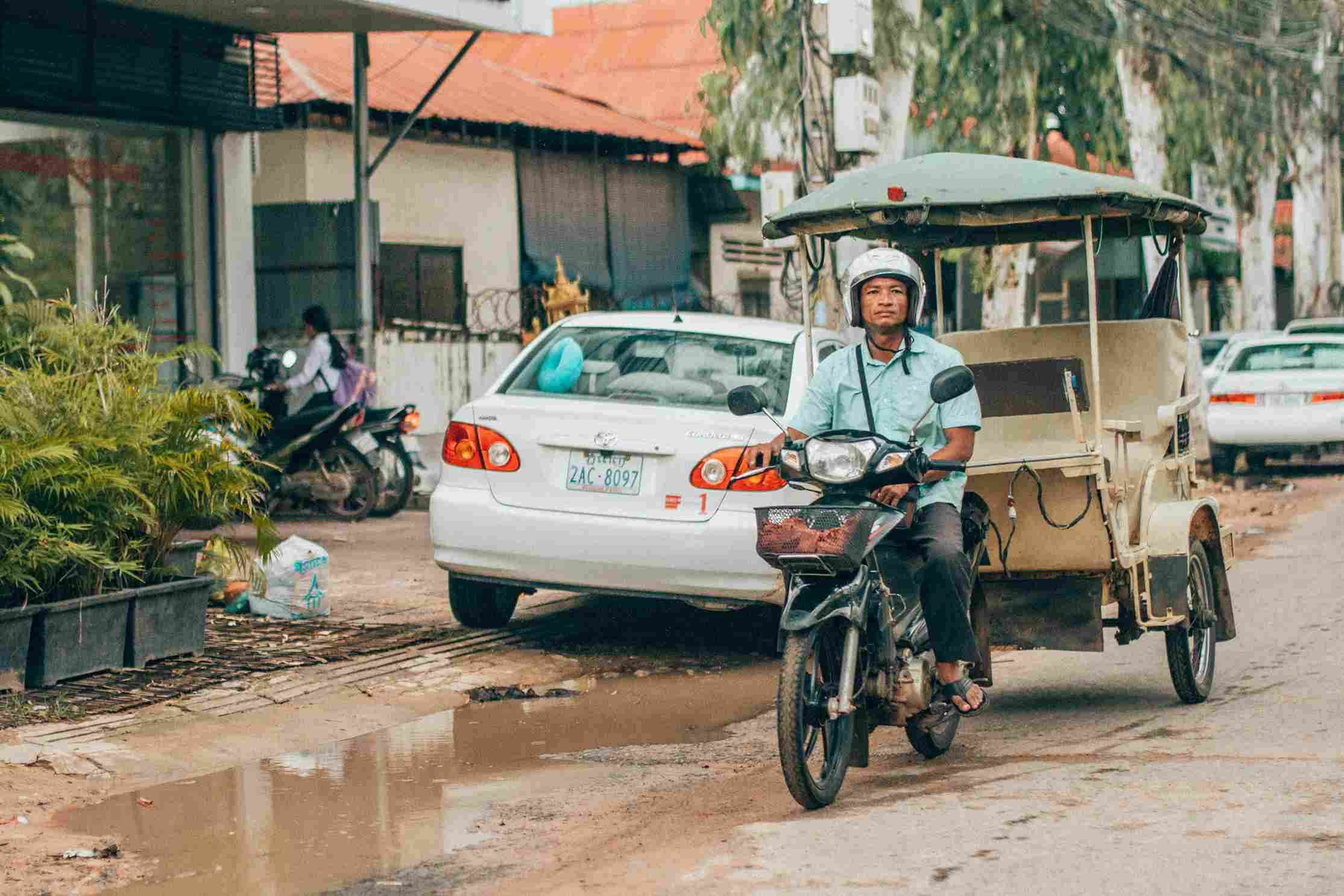
9. Tuk-Tuks Are the Best Way to Explore Siem Reap
The tuk-tuk, a covered trailer attached to a motorbike, is the iconic mode of transport in Siem Reap and is the most practical, economical, and enjoyable way to get around the temple complex and the city. A full-day hire for the main circuit in Angkor costs anywhere between $15 and $25 USD, depending on the distance and if you hire the driver as a guide.
Many tuk-tuk drivers in Siem Reap have extensive knowledge about the temples and the complex, speak decent English, and have genuine pride in showing visitors around their hometown. Building up a relationship with your tuk-tuk driver is one of the most rewarding social experiences that can be had on a trip to Cambodia.
Electric tuk-tuks have become increasingly popular in Siem Reap in recent years, and they are not only quieter but also more environmentally friendly.
10. Cambodian Food Is One of Southeast Asia's Most Underrated Cuisines
Cambodian food, also referred to as Khmer cuisine, is not given the international recognition that it deserves. Living in the shadow of two far more popular and prominent food cultures in Southeast Asia, Thailand and Vietnam, Khmer food is far more subtle, herb-based, and in some ways, more complex.
Fish amok, a delicate coconut milk and fish curry steamed in banana leaves, is Cambodia's national dish and one of the finest dishes that you'll have in all of Southeast Asia. Lok lak, stir-fried beef with a lime and black peppercorn dipping sauce, is one of Phnom Penh's staples. Num banh chok, fresh rice noodles with fish-based green curry sauce, is breakfast for millions of Cambodians. Kuy teav, a rich pork or beef broth-based noodle soup, is the street food that will ruin all other broths forever.
Try and eat at local markets, family-run restaurants, and street food stalls whenever you can. The very best tours that can be taken in Cambodia include at least one Khmer cooking class and street food tour as standard.
11. The Heat Is Serious—Plan Around It
Cambodia is completely within the tropics and the lowlands frequently reach temperatures of 35 to 38 degrees Celsius during the hot season from March to May. Humidity levels are also high throughout the year. Heat stroke is definitely no joke for travelers who underestimate it.
The advice for visiting the temples is to arrive at the temples by 6:00 or 6:30 AM, take an afternoon break from about 11:00 AM to 2:00 PM, and return for an evening of temple-hopping from 3:00 PM until they close. This will be the best time for taking photos and the most pleasant time of day.
Drink water constantly and in great quantities—more than you think you need. Bring a refillable bottle and refill it at your hotel or guesthouse rather than buying bottled water. Wear light clothing and apply high-factor suncream every two hours without fail.
12. There Are Two Seasons and They Are Both Worth Visiting
Cambodia has two distinct seasons that offer two completely different experiences for travelers and greatly impact the prices of Cambodia tour packages.
The dry season is from around November to April and is considered the peak season for traveling. The weather is lovely and sunny, the roads are accessible throughout the country, and the temples at Angkor are accessible. This is the time of year when the prices of Cambodia tour packages are the highest.
The wet season starts in May and ends in October. It rains most during September and October. It is a time of lush green beauty in the landscape, Tonle Sap Lake grows to many times its dry season size, the waterfalls in the country are at their greatest beauty, and the rice fields are a brilliant green. The price of a Cambodia tour package goes down considerably during the wet season, and the tourist population is greatly diminished.
The wet season does not mean rain all day long. It means rain in the afternoons for one or two hours at a time and sunshine the rest of the day. It does not rain in the mornings at all. Many travel writers specializing in Cambodia agree that the wet season is the time of year they would choose to visit.
13. Phnom Penh Deserves More Time Than Most Itineraries Give It
The biggest mistake in an itinerary made by first-time tourists to Cambodia is the fact that most of their time is spent in Siem Reap and Phnom Penh is treated as a mere stopover. It is a mistake that most tourists only come to realize after having made it.
Phnom Penh is one of the most fascinating capital cities in Southeast Asia. The Royal Palace and Silver Pagoda in Phnom Penh are a magnificent sight. These buildings are located on the riverfront and are a blend of Khmer and French styles. The National Museum of Cambodia contains the greatest collection of Khmer art and sculpture in the world. The French colonial architecture of the riverside area of Phnom Penh is lovely. Central Market or Phsar Thmei in Phnom Penh is one of the greatest examples of Art Deco in Asia.
And then there are the historical sites, Tuol Sleng and Choeung Ek, which are not easy visits but are arguably two of the most important and meaningful that any Cambodia tour can offer.
Allow at least two full days in Phnom Penh. Three is even better.
14. Bargaining Is Normal — But There Is A Right Way to Do It
Bargaining is an entirely normal and expected part of any commerce in Cambodian markets, in negotiations with tuk-tuk drivers, and in any and all types of souvenir shop commerce. It is not aggressive, it is not confrontational, and it is not optional in these areas. Vendors sell all goods with the full and complete expectation that they will be bargained over.
The first and most important thing to remember about how to bargain in Cambodia is that there are two golden rules. Always smile. Never show any signs of frustration or irritation. Begin at about 50 to 60 percent of the asking price and go from there. If you cannot get the vendor down to a price that you are comfortable with, walk away. You will likely be called back. Never argue over trivial amounts of money. What is $2 or $1 to you is very meaningful to the vendor.
Do not even think about attempting to bargain at any restaurant that has a posted price, at any modern store, or at any service provided by your tour operator.
15. Cambodia Is One of the Most Affordable Countries in Asia
Perhaps the most pleasant surprise that first-time visitors from outside of Cambodia will encounter is that, in fact, Cambodia is very, very affordable.
A comfortable mid-range guesthouse or boutique hotel in Siem Reap will cost between $25 and $60 per night. A meal at a good local restaurant will cost between $3 and $8 per meal. A tuk-tuk ride around Siem Reap will cost between $2 and $4. A fresh coconut from a street vendor will cost between $0.50 and $1. A one-hour massage will cost between $8 and $15.
Quality Cambodia tour packages are available for a fraction of the cost of similar packages in Thailand, Vietnam, and Bali, making Cambodia one of the best value destinations for travelers from all over the world.
16. Internet and Connectivity Are Better Than You Expect
Cambodia has surprisingly good mobile internet connectivity in the major cities and popular destinations. Local SIM cards are cheap, widely available, and offer good speed and coverage throughout Siem Reap, Phnom Penh, Battambang, and Kampot.
A local SIM card with a good data package will cost between $3 and $8 and can be purchased at the airport, any mobile phone store, or through your Cambodia tour operator. Good mobile networks are Metfone, Smart, and Cellcard.
WiFi is readily available everywhere, from hotels, guesthouses, cafes, and restaurants in all popular destinations. In the less popular areas, such as jungle lodges, rural temple sites, and island getaways, mobile phone reception may be non-existent, and that is part of the luxury.
17. Respect for Buddhism Is Essential
The population of Cambodia is about 95 percent Theravada Buddhist. The monasteries, pagodas, and monks are an integral part of the culture and may not be what the first-time visitor from a non-Buddhist culture expects.
The etiquette tips to observe are as follows. Dress modestly when visiting any pagoda or monastery. Your shoulders and knees must be covered. Remove your shoes when you go into any religious structure. Women must not touch the monks. Place the object on a surface for the monk to pick up. Do not point your feet toward Buddha images or monks when you are sitting. Do not take pictures without permission. Be quiet and considerate in all religious establishments regardless of your personal beliefs.
The etiquette tips are not complicated. They are common sense and a way of showing respect for a culture and a religion that dominates the country.
18. The Cambodian Islands Are Worth the Journey
The islands in the Gulf of Thailand, located on the southern tip of Cambodia are still among the most unvisited beach destinations in Southeast Asia. However, that is changing fast. Koh Rong, Koh Rong Samloem, Koh Ta Kiev, and the other islands in the Koh Sdach archipelago are offering a combination of white sandy beaches, jungle interior, and crystal clear warm water at a fraction of the price of the equivalent destinations in Thailand.
Koh Rong is a famous island in Cambodia because of the bioluminescent plankton. It is the phenomenon whereby the ocean glows blue when the water is disturbed during the night. Swimming in the water with the bioluminescent plankton in Koh Rong is one of the most surreal experiences that can be found anywhere in Asia.
Ferry services operate regularly between Sihanoukville and the major islands. Most Cambodia tour packages that focus on a combination of visiting temples and beaches include an island tour as part of a concluding segment before your tour concludes.
19. Street Safety and Scam Awareness Will Protect Your Trip
While Cambodia is a safe destination for tourists by any standard in Southeast Asia or Asia as a whole, there is petty crime such as theft, stealing bags from motorbikes, and scams targeting tourists. These are more common in Phnom Penh and around the Angkor temple complex in Siem Reap.
The types of scams to watch out for include overpriced tuk-tuk rides without agreeing on a price first, hiring an unofficial tour guide around the temples who attaches himself to your tour and demands a large fee from you after your tour, and gem scams in Phnom Penh where you are taken to a shop selling worthless stones at inflated prices.
The straightforward advice is to agree on a price before you get into a tuk-tuk, to only hire official guides around the temples, to be suspicious of strangers who are too friendly and offer to take you to special places or restaurants, and to keep your bags on your side of the pavement away from the road in Phnom Penh.
This should not worry you. Just be sensible about your safety and you will be fine.
20. The Best Cambodia Tour Packages Are Built Around Your Interests
The Cambodia tour packages market has become much more mature over the last few years. The variety of Cambodia tour packages now available to international travelers covers all budgets, all interests, and all styles. Knowing what kind of Cambodia tour package best fits your needs before you begin comparing prices will save you a lot of time and prevent any future booking regrets.
The temple-focused Cambodia tour packages are available for those who are interested in the temples of Siem Reap, the Angkor area, and the outlying archaeological sites of Koh Ker, Preah Vihear, and Beng Mealea.
The cultural immersion Cambodia tour packages are available for those who want a mix of the temples and culture. These packages include cooking classes, homestays in the village, silk weaving classes, Apsara dance performances, and market tours.
The adventure Cambodia tour packages are available for those who are interested in the Cardamom Mountains, jungle trekking, mountain biking through the countryside, kayaking on the Mekong River, and camping in the wilderness areas of the national parks.
The beach and islands Cambodia tour packages are available for those who want to see the temples of Siem Reap and the coast of Cambodia. These packages include the towns of Kampot and Kep and the islands of the Gulf of Thailand.
The budget group Cambodia tour packages are available for those who are traveling on a tight budget. These packages include shared vehicle transport and guesthouse stays. These are perfect for the solo traveler and the backpacker.
As a traveler, you can expect luxury private Cambodia tour packages that provide personal guides, private transportation, luxury boutique hotels, private temple visits at dawn or dusk, and completely customized tours that cater to your interests. These are some of the luxury options that Cambodia has to offer to tourists willing to splurge.
21. Cambodia Will Change You – If You Let It
This last point is not really advice. It is something far more important than that.
Its recent past carries the weight of the worst that humanity has to offer. And its present – the smiles of its people in the market stalls, the kindness of its people to strangers, the children learning English out the front of the pagoda gates, the monks sweeping the temple courtyards at dawn – carries the weight of the best that humanity has to offer.
The tourist who will engage with all of that – who will not just snap the temples and move on, who will sit and ponder the history and feel the weight of it – will leave Cambodia with something that no tour package could possibly explain and no tour package could possibly include.
Come to Cambodia with an open heart. Come to Cambodia with an open mind. And come to Cambodia with the humility to realize that while it may not have been on your radar screen as a destination until you started booking your flights, it could well be one of the most profound experiences of your entire traveling life.
Final Thought – Cambodia Rewards the Prepared Traveler
All countries have their own unique way of opening up to the traveler. Cambodia opens its doors to travelers who come with a certain degree of knowledge, respect, and interest, and who are also willing to spend some quality time in the country. These 21 points in the article are not a list of dos and don’ts. They are an invitation to get more out of the experience, to be more thoughtful in the planning, and to be more open to the experience. Choose the right tour package for Cambodia. Spend enough time in the country. Try the food.
Learn a little history. Watch the sunrise over Angkor Wat. Interact with the people. And when you leave, come back, for everybody who goes to Cambodia for the first time knows they are returning before they take a seat on the plane for the return journey.
Editorial Note:
The visa fees, entrance fee for national parks, and the range for accommodation costs mentioned in the article are based on the 2026 market conditions and are subject to change. Visitors must always verify the latest visa requirements with official government websites and get detailed quotes from licensed tour operators for Cambodia before making a booking decision. This article has no sponsored content and all information has been provided based on its value to the tourist.
 Admin
Admin 
 Hassle-free booking and best price guaranteed
 24/7 support available
 Hand-picked tours & activities
 Free travel insurance
 sales@dooktravels.com
 +918368513675