About Croatia

About Croatia — Tourism, Travel Guide, Visa and Essential Facts

Formal Name:

Republic of Croatia

Location of Kazakhstan:

Southeast Europe

Capital:

Zagreb

Demonym:

Croatians

Area:

56594Sq Km

Population:

4154200

Ethnic Groups:

Other

Languages:

Croatian

Religion:

Other

Currency:

Kuna (HRK, kn)

Best Time To Visit:

Sep

Calling Code:

385

Drives On:

Right

Visa on Arrival:

No

Major Cities:

Administrative and Territorial Structure:

Divided into 20 counties and the capital city of Zagreb

Land Boundaries:

Total: 2,237 km, Border Countries: Bosnia and Herzegovina 956 km, Hungary 348 km, Montenegro 19 km, Serbia 314 km, Slovenia 600 km

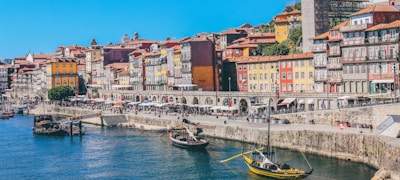
Croatia is the place for balmy days with sapphire waters, dazzling pebbly beach, island-coastline and clarity of the water. The water sparkles in the shades of sapphire and emerald which lure tourists into activities such as diving, snorkelling, windsurfing, kayaking and sailing. The mountainous region will lure into the view. The Dinaric Range is one of the longest in the country which stretches from Italy to Albania. The cultural feast of the country is a big part of the culture here with mostly simple home-style cooking food.

Croatia Geography

 
Croatia is located in the southeast and central Europe and parts of its territory surrounds Dubrovnik but separated by Bosnia and Herzegovina’s short coastline strip. A smaller part of Croatia consists of many different islands and islets which are different in sizes, areas and 48 of them are populated by inhabitants.

Croatia Climate and Weather

 
Croatia has a moderately warm and rainy climate ranging between −3 °C in January and 18 °C in July. Its climate is divided into three climatic regions where in the northern part; it has a continental climate of hot summers and cold winters. The central part has an alpine climate as it’s covered with large forests and the Adriatic coast enjoys a Mediterranean climate.

Croatia History


Croatia has a witness a history of rulers starting with Romans, Byzantine, Hungary, Turks and Germany. They were under the rule of these countries and in 1991; the Parliament of Croatia declared its independence and dissolves its association with Yugoslavia.
 

Croatian Culture and Traditions

 
The culture and tradition of Croatia are characterized by exceptional diversity. Their culture has been rooted in a long history which have resulted in the evolution of three regional cultures namely the Pannonia, Dinaric and the Adriatic. Each of these regions has its own customs and traditions but in general, Croatia is particular with the meeting, greeting, etiquette such as gift giving, dining etc.
 

Croatian Food and Cuisine

 
Food and Cuisine in Croatia are wide and varied and it’s difficult to distinguish the taste which is exclusive in the country. Many of Croatia’s food and cuisine have been influenced by traditions and tastes from its neighbouring countries. It has similarities with Turkish, Austrian, Hungary and Italian food, but it’s still distinct in its own way.
 

Facts about Croatia:


The oldest inhabited city in Europe is the eastern Croatian city of Vinkovci.
Nikola Tesla was born in Smiljan, Croatia.
Croatia gets more than 2715 hours of sunshine per year.
Split’s Diocletian Palace has a genuine Egyptian sphinx.
The dog breed Dalmatian can be traced back to Croatia and the Dalmatia region.
Rice chocolate was invented in Croatia in 1963.
Zadar has the world’s first pipe organ played by the sea.
In the Croatian waters lives the last specimen of the Mediterranean seal.
Croatia invented the Parachute, the Torpedo, the Mechanical Pencil, the MP3 Player and the Maglite Torch.
There are 1244 islands, isles and inlets in Croatia.


Croatia Tourism — Top Destinations and Attractions

Croatia has become a popular destination for culture, historical sites, centuries-old harbour towns, blissful island and sea. Tourism in Croatia is concentrated mainly along with the areas of the Adriatic coast. It has a number of attractions which include Dubrovnik Old Town Walls, Diocletian's Palace in Split, Hvar Town, and Plitvice National Park, Zagreb's Gornji Grad, Zadar's Romanesque Churches and many others. There are also major islands such as Vis, Rab, Korčula, Brač, Mljet and many others to see and explore in Croatia.
 

Different Types of Tourism in Croatia


1. Historical Tourism in Croatia:

 
Croatia showcases more than 2000 years of its history which now turn into some ancient tourist attractions. Croatia has become a very popular historical destination as there’s an interesting selection of UNESCO Heritage sites such as Plitvice Lakes National Park, Historical Complex of Split with the Palace of Diocletian, Old City of Dubrovnik, and Episcopal Complex of the Euphrasian Basilica in the Historic Centre of Poreč, Historic city of Trogir, Cathedral of Saint James and few others.
 

2. Cultural Tourism in Croatia

 
Croatia is rich in cultural heritage as it has a deep-rooted history of many rulers such as the Roman, Byzantine, Austrian, German and the Turks. They have a deep root in art, theatre, music and literature. Over the centuries, Dubrovnik has served as the cultural and intellectual centre of the country. Croatia has focused on cultural tourism by devoting a number of meetings, conferences and workshops to their cultural tourism program.

3. Sea and Nature Tourism in Croatia


Few of them are sandy of smooth pebbles or rocks which have been here for millennia. Be it long, rugged or smooth, coastline fringed by more than 1,000 islands. The Adriatic Sea plays an important role in the country as it offers tourists many sea activities, islands and beaches to explore and enjoy. Aside from Sea, Croatia is known for its lush green parks and waterfalls. Prominent among them are the national parks of Kornati, Brijuni, Krka, Paklenica, Mljet, Risnjak, and Plitvice Lakes and Northern Velebit.
 

4. Honeymoon Tourism in Croatia


Honeymoon in Croatia can be a passionate affair with turquoise splashing around the shore, warm climate, natural and aquatic beauty surrounding the city. The beaches are open for a wide variety of adventure water sports for tourists with romantic resorts for couples to stay in and enjoy the beauty of the island and the sea. In and around the city are many historical landmarks which have passed the test of time gracefully, like a painter’s fantasy such as Dubrovnik, Hvar, and Split, Rovinj, National Parks and some romantic tours.
 

5. Culinary Tourism in Croatia

 
Croatia has a diversity of cuisine to discover its wonderful specialities. From food starters such as cheese, ham and kulenova seka,  oysters and mussels, flavoury grilled fish, salted anchovies, to delicacies such as eels and frogs, turkey, pašticada from Split, and desserts like kroštule or fritul,  puddings, Kotonjata,  are some of the many dishes which Croatia offers. And, about wineries, the country celebrates the wine festival during the autumn harvest time, where people celebrate the local festivals, San Martin or even explore vineyards in Motovum in Istria.
 

6. Casinos/Nightlife in Croatia

 
Nightlife in Croatia is alive from dusk till dawn with many clubs and bars opened in many cities of the country. Croatia awakes with a new buzz and energy once the sun goes down. From the capital city of Zagreb to the popular island of pag, Novalja, the country is full of new and exciting parties, clubs, casinos, bars and restaurants. To explore and enjoy the nightlife in Croatia visit Novalja on the Island of Pag, Hvar Island, Papaya Club, Boogaloo, Byblos, Lemon and many others.

Croatia Tour & Travel Guide

 Croatia has become a popular destination for culture, historical sites, centuries-old harbour towns, blissful island and sea. The water sparkles in the shades of sapphire and emerald which lure tourists into activities such as diving, snorkelling, windsurfing, kayaking and sailing.

1. Accommodation in Croatia

 
There’s always an increasing choice of accommodation in Croatia ranging from boutique resorts, hotels to charming B&BS and comfortable basic stay. Croatia gets really busy during the peak summer season (July- August), therefore, plan your travels ahead. There are a number of growing four stars, five star hotels but a shortage of B&BS and boutique hotels. The best value accommodation is home stays where apartments and private room are offered by local families of the country.
 

2. Restaurants in Croatia

 
Croatia’s dishes are famous with fish and meat dishes in the finest restaurants offering lip-smacking cuisine across the country. The Mediterranean cuisine is very popular in most restaurants and good food is all produced from fresh and seasonal ingredients of the country. The country’s continental restaurants offer veal, lamb, beef, deer and dishes such as  čobanac, pašticada, peak and ražanj and much more variety of dishes, food and cuisines.
 

3. Transportation in Croatia

 
By Plane:  Airports in Croatia are Zagreb Airport, Split Airport, Dubrovnik Airport and Pula Airport, apart from several others. There are few flights that fly from India to Croatia such as Air India, Lufthansa, Air France, British Airways, Etihad, Turkish Airlines, and Qatar Airways. Croatia Airlines is the main airline that carries the passenger to the country. There are also connecting flights from Qatar and Tel Aviv as well.
 
By Rail: The train network has direct transport lines from Germany, Austria, the Czech Republic, Hungary, Greece,  Switzerland, Slovenia, Italia, Bosnia and Herzegovina, and Serbia.
 
By Road: You can travel by car or bus to different cities in Croatia and to other neighbouring countries. A driver's licence, vehicle's registration card and insurance files and documents are required to drive in and out of the country.
 

4. Shopping in Croatia

 
Croatia offers a great shopping experience for fashion, food and souvenirs. It is located next to Italy, and many shopping centres offer popular local and European brands. But, exclusive local goods are found in the local markets of the country. One of the famous markets for local food products in the country is the Gruz located in Dubrovnik. Others products can be shopped in cities like Zagreb, Split, and Dubrovnik.
 

5. Best Time to Visit Croatia

 
The best time of the year to visit Croatia is in the months of May, June, September and October. It’s a nice summer day with sunny days and weather, which makes it ideal for fun activities and swimming in the sea.
 

6. Croatia Travel Tips

 
Eat local
Croatian currency is Kuna
Drink up and stay hydrated
Get actional active in national parks
Talk to the locals
Savour the seafood
The best time to visit Croatia is in June and September.
During the summer carry light clothes with a windbreaker jacket and a pair of long pants.
The best way to travel around Croatia is by car.
Ferries is best to get to the islands.
Public transportation in the bigger towns cost around 2€ per ride.
Visit the major towns and attractions, like Zagreb, Split, Plitvice, Hvar and Dubrovnik.

Croatia Visa Information

Documents Required:

Original Valid passport for 06 months from the date of arrival in Croatia + Old passport. (Issued within the last 10 years, containing at least two empty pages (back to back).
Online Visa Application forms.
2 Photographs: 35X45mm, white background matt finish, 70% face size.
Covering letter mentioning the details of the traveler, travel information and personal contact information of passengers.
Hotel Voucher
Air tickets.
Day-to-Day Itinerary
Overseas Travel Insurance.
Income tax returns/Form 16 for last 3 years.
Original personal Bank Statements for last 6 months updated with sufficient balance and bank seal & sign on it.
Salary Slips for last 3 months - if employed
Original Leave Letter from Employer/School/University.
Retire proof /Pension order- if retired
Company registration proof - if self employed eg. Shop Act/MOA/Deed etc.
Student id card / Bonafide Certificate - if student

Visa Processing Time: 15 Working Days.

Note: Applicants Having valid Schengen Visas or National visas of Schengen Countries and residence permits of Bulgaria, Cyprus, and Romania do not require an additional (Croatian) visa for Croatia.


Testimonials

Delighted Travelers

"Our trip with Dook International was just fantastic. We learnt about Vietnam history and culture. We have also tried delicious food of Vietnam and indulge in different adventures…”

Dr.Ramesh Keval chand
Dr.Ramesh Keval chand
Chat on WhatsApp